
- About Us

- Our Services
- Your Industry
- Resources
- News & Blog
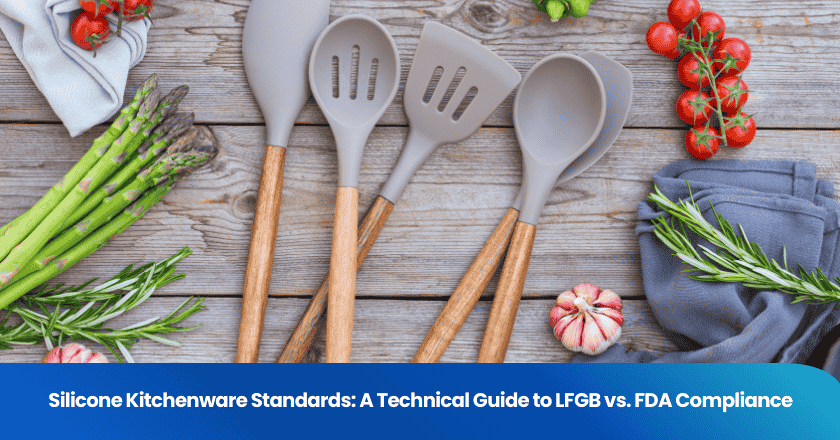
In the modern culinary world, silicone has transitioned from a specialty material to a kitchen staple. Its versatility, heat resistance, and non-stick properties make it ideal for everything from baking mats to baby spoons. However, the safety of these products is governed by complex regulatory frameworks. The two most prominent standards globally are the US Food and Drug Administration (FDA) and the German Lebensmittel- und Futtermittelgesetzbuch (LFGB). While both aim to ensure safety, they differ significantly in their testing rigor, chemical migration limits, and overall material purity requirements.
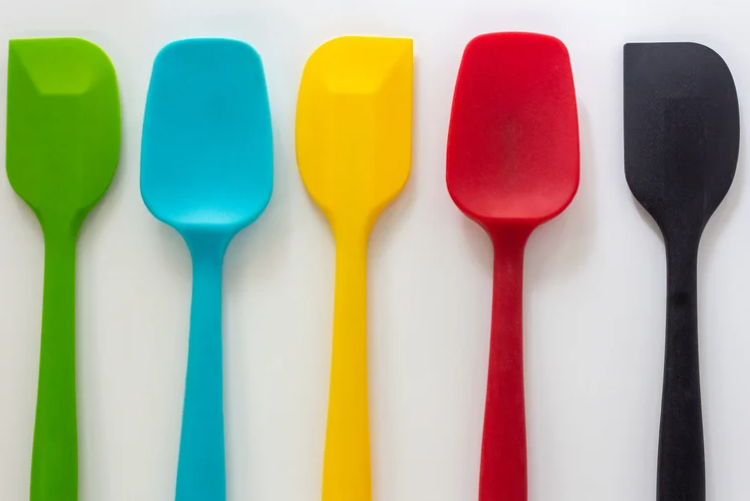
The Science of Silicone: Beyond the Surface
To understand food contact standards, one must first understand the material. Silicone is a synthetic polymer composed of a silicon-oxygen backbone (Si-O-Si). Unlike organic polymers (plastics) that have a carbon backbone, silicone's inorganic structure provides superior thermal stability and chemical inertness. However, raw silicone requires "curing" or "vulcanization" to transform from a liquid or paste into a solid, flexible product.
The Role of Curing Agents
The curing process is where quality differences begin. There are two primary methods:
- Peroxide Curing: A cost-effective method often used for general-purpose silicone. It can leave behind trace organic acids and may result in a faint odor or "blooming" (white powder) over time. Most standard FDA-compliant silicone uses this method.
- Platinum Curing: Uses a platinum catalyst to trigger the cross-linking. This method produces no chemical by-products, resulting in a high-purity, odorless, and ultra-clear material. Platinum-cured silicone is almost exclusively used for LFGB-compliant and medical-grade products.
- Expert Tip: Platinum-cured silicone is less likely to leach volatile organic compounds (VOCs) when exposed to high heat (above 200'C), making it the superior choice for professional bakeware.
US FDA Standards: The Baseline for Safety
In the United States, silicone kitchenware is regulated under 21 CFR 177.2600, which covers "Rubber articles intended for repeated use." The FDA focus is primarily on the safety of the raw materials and the total extractives when the material comes into contact with food stimulants like distilled water and n-hexane.
Under FDA protocols, the material must undergo extraction tests to ensure that the amount of substances migrating into food remains within "generally recognized as safe" (GRAS) limits. While the FDA ensures that silicone is non-toxic, it allows for a certain level of fillers and does not mandate sensory testing for odor or taste transfer. This makes FDA silicone widely accessible and affordable, but perhaps less ideal for highly sensitive applications.
German LFGB: The "Gold Standard" of Purity
The LFGB is the German implementation of European Framework Regulation (EC) No 1935/2004. It is widely considered the strictest standard in the world for food contact materials. Products that pass LFGB testing are eligible for the "knife and fork" symbol, a mark of premium quality recognized across Europe.
What Makes LFGB Stricter?
Unlike the FDA, LFGB testing includes several additional layers of scrutiny:
- Sensory Inspection: Testers evaluate whether the silicone changes the taste or smell of the food. If a spatula makes your cake taste like rubber, it fails LFGB.
- VOM (Volatile Organic Matter) Test: LFGB limits the amount of volatile substances to 0.5%. The FDA limit is significantly higher or less emphasized.
- PAHs (Polycyclic Aromatic Hydrocarbons) Testing: LFGB strictly limits these potentially carcinogenic compounds, which can be found in low-quality fillers.
| Feature | FDA (US) | LFGB (Germany/EU) |
|---|---|---|
| Regulatory Code | 21 CFR 177.2600 | LFGB Section 30 & 31 |
| Curing Method | Mostly Peroxide | Almost always Platinum |
| Migration Limits | Standard limits for total extractives | Extremely low limits for specific migration |
| Sensory Testing | Not required | Mandatory (Odor/Taste) |
| VOC/VOM Limits | Less stringent | Max 0.5% (Very Strict) |
| Market Position | Mass Market / Everyday Use | Premium / Professional / Baby Grade |
Practical Identification: How to Choose
For the average consumer or a professional buyer, identifying high-quality silicone is essential for maintaining a healthy kitchen environment. Beyond looking for certification marks, several physical tests can reveal the quality of the polymer.
The "Pinch Test"
One of the most reliable ways to detect the presence of cheap fillers is the pinch or twist test. Take a piece of silicone and twist it or pinch it between your fingers. If the material turns white at the stress point, it contains plastic fillers. 100% pure, food-grade silicone (especially LFGB grade) will maintain its color throughout the twist. Fillers can compromise the heat resistance and lead to chemical leaching at high temperatures.
Odor and Texture
New silicone should have almost no smell. If a product arrives with a strong, pungent chemical odor, it likely hasn't been properly post-cured, leaving behind residual peroxide or VOCs. LFGB-certified products go through a post-curing process in industrial ovens for several hours to drive off these volatiles, ensuring the product is "clean" before it reaches the consumer.

The Importance of Manufacturing Quality Control
Even if a material is theoretically safe, the manufacturing process plays a vital role. This is where quality control and assurance become indispensable. Factories must maintain clean environments to prevent cross-contamination with non-food-grade polymers or heavy metals.
For businesses importing silicone goods, conducting a factory audit is the only way to ensure that the "LFGB" or "FDA" claim on the box matches the actual production standards. Regular product inspections are necessary to verify that the manufacturer hasn't switched to cheaper raw materials during a long-term production run.
Maintenance and Longevity
To maximize the safety of your silicone kitchenware, proper care is required. Over time, silicone can absorb fats and oils, leading to a "sticky" feel. This is not necessarily a safety hazard but can affect performance. To clean deep-seated residues, a soak in boiling water with baking soda or vinegar is often effective.
While silicone is heat resistant up to 500'F (260'C), exposing it to direct flames or broiler elements can cause the polymer to degrade. If you notice any pitting, cracking, or significant discoloration, the structural integrity of the Si-O backbone has likely failed, and the item should be replaced.
Conclusion
Both FDA and LFGB silicone standards ensure a high level of safety for the general public. However, for those who demand the highest purity—such as parents choosing baby products or professional chefs using high-heat bakeware—LFGB-certified, platinum-cured silicone is the definitive choice. By understanding these technical nuances, you can make informed decisions that prioritize both culinary performance and long-term health safety.
Summary: If the price seems too good to be true, it likely is. LFGB certification and platinum curing involve higher material and testing costs, but they provide the ultimate peace of mind in food contact safety.
FAQ
Is silicone better than plastic for the environment?
Silicone is more durable than plastic and does not break down into micro-plastics as easily. While it is not biodegradable, it is chemically inert and does not leach toxins into the soil or water if disposed of properly.
Does silicone contain BPA?
No. BPA (Bisphenol A) is a chemical used in the production of polycarbonate plastics. Silicone is a completely different polymer family and is naturally BPA-free.
Why is LFGB silicone more expensive?
The higher cost is due to the use of platinum catalysts instead of peroxide, longer post-curing times in ovens, and the expensive laboratory testing required to meet German migration limits.
Can I use silicone in the microwave?
Yes, food-grade silicone is microwave-safe. It does not absorb microwaves and remains stable under typical cooking temperatures. However, always ensure the product is marked as microwave-safe by the manufacturer.
Related Articles
Grow your business with TradeAider Service
Click the button below to directly enter the TradeAider Service System. The simple steps from booking and payment to receiving reports are easy to operate.
