
- About Us

- Our Services
- Your Industry
- Resources
- News & Blog
 in China Preventing Empty Boxes and Damage.png)
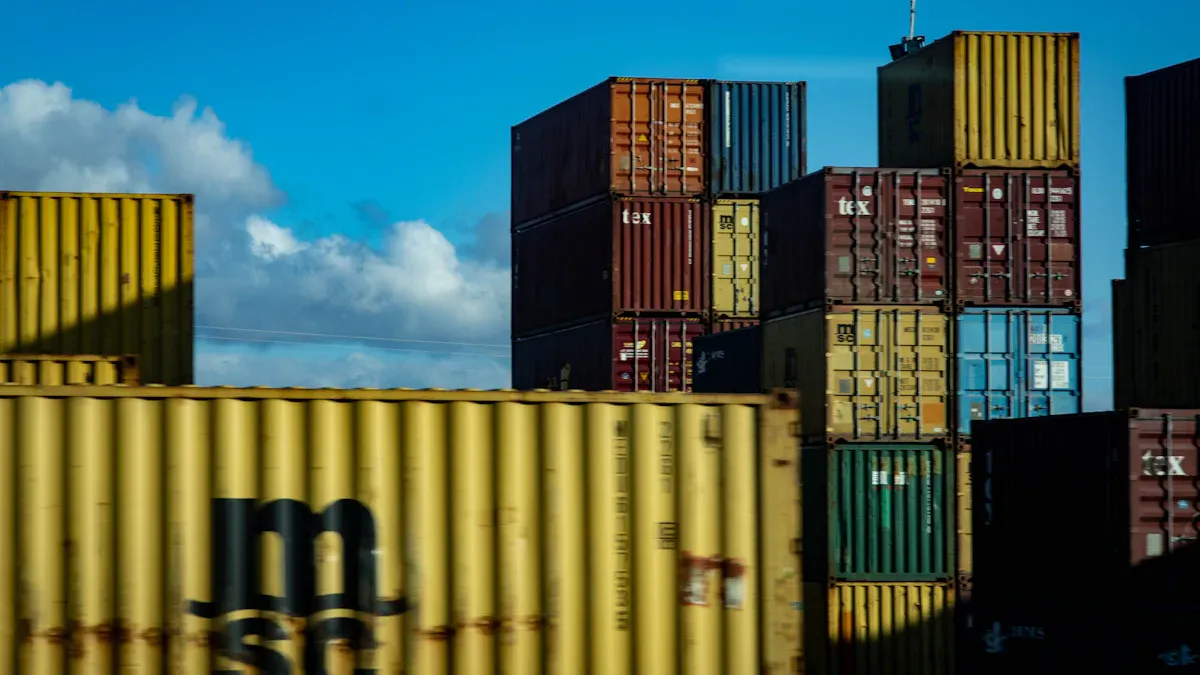
Container Loading Supervision (CLS) stands as the final shield between buyers and costly mistakes. This process ensures that the right products and quantities enter the shipping container. Inspectors check the container for damage, confirm order accuracy, and supervise the loading process to prevent mishandling.
| Benefit | Description |
|---|---|
| Inspect Empty Containers | Ensures containers are clean, dry, and free from damage that could spoil goods. |
| Confirm Order Accuracy | Verifies that the correct goods and quantities are loaded, preventing short shipments. |
| Supervise Loading | Oversees proper handling and stacking to prevent crushing during transport. |
| Seal the Container | Uses a tamper-proof seal to safeguard against theft or product swapping. |
Without proper supervision, companies risk receiving fewer products, damaged goods, or even empty boxes. CLS provides the oversight needed to secure your supply chain.
Key Takeaways
- Container Loading Supervision prevents costly mistakes by ensuring the right products and quantities are loaded.
- Inspectors check for container integrity, confirm order accuracy, and supervise the loading process to protect fragile items.
- Using CLS reduces the risk of missing goods and product damage, enhancing trust with suppliers.
- Proper packaging and secure loading practices are essential to prevent damage during transit.
- Choosing a qualified inspection provider with the right certifications ensures maximum protection for every shipment.
Main Risks Without Container Loading Supervision
Missing Goods and Empty Boxes
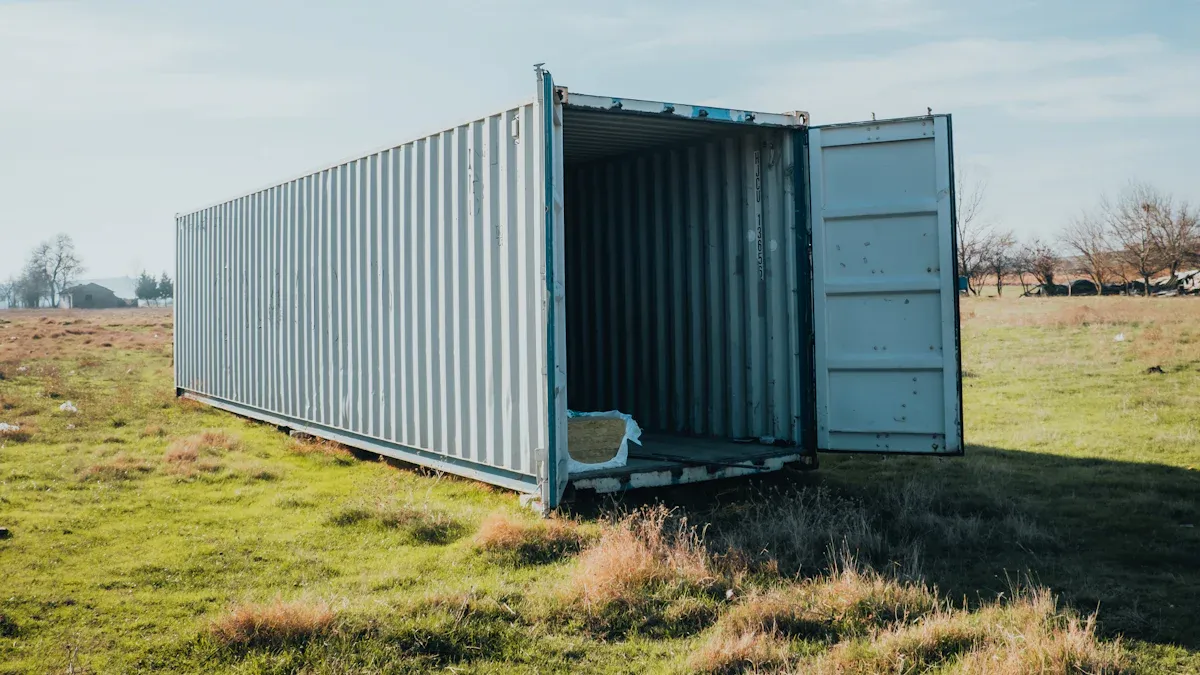
Importers face serious financial risks when shipments arrive with missing goods. In some cases, factory workers may accidentally underload cartons or, in fraud scenarios, ship empty boxes to meet deadlines. Without supervision, there is no proof of what was actually loaded. This practice leads to wasted resources and direct financial loss. Importers risk paying for products that never arrive, impacting their bottom line and damaging trust with customers who are waiting for stock.
Product Damage in Transit
Product damage during transportation creates operational headaches. Quality control and inspections play a vital role in preventing this. If heavy cartons are stacked on top of fragile ones, or if goods are not secured properly, damage is inevitable. Without CLS, companies cannot guarantee that goods will survive the journey intact. Damaged products lead to customer complaints, returns, and lost sales.
Shipping Delays and Disputes
Shipping disputes often arise when companies neglect loading supervision. Problems such as poor space utilization and incorrect weight distribution can cause accidents or damage. Inaccurate documentation disrupts the customs process. CLS provides a detailed report on the loading process, serving as undeniable evidence in case of insurance claims or disputes with suppliers.
Container Loading Inspection Process
Pre-Loading Checks
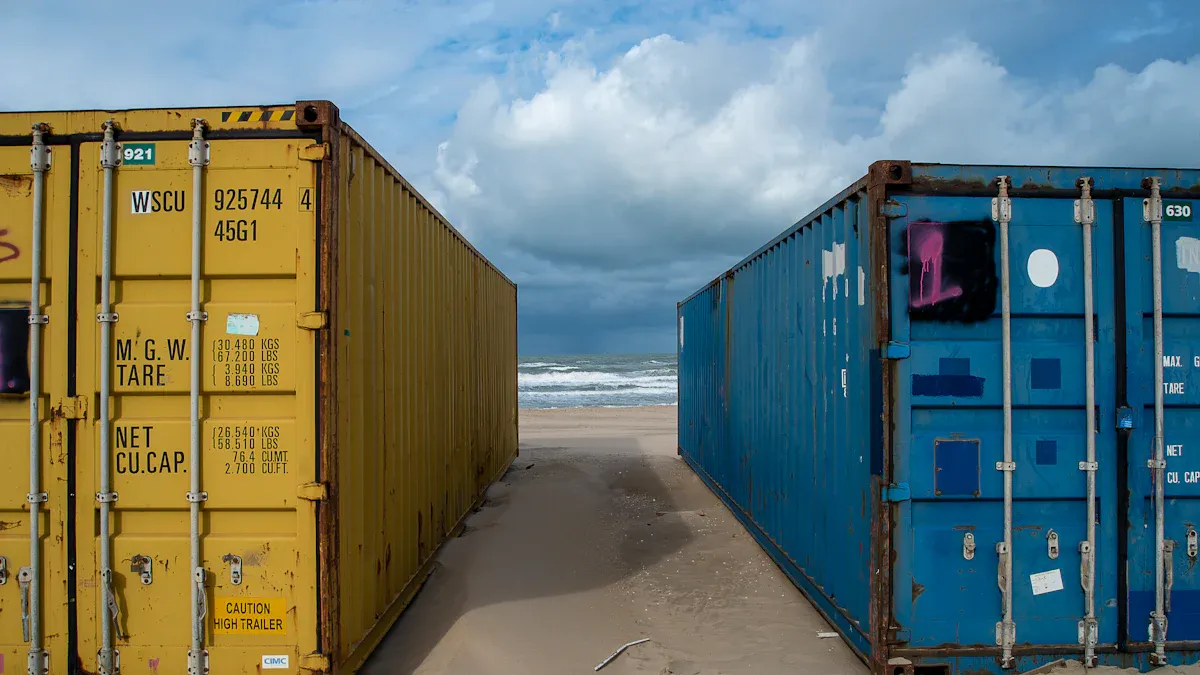
Container loading inspection in China begins before the first box is moved. The inspector checks the condition of the container to confirm it is clean, dry, and free from holes or odors. This step protects goods from moisture and contamination. The inspector verifies product quantity against the packing list and checks packaging labels.
| Check Type | Purpose/Benefit |
|---|---|
| Container Integrity | Ensures no holes, leaks, or bad odors that could damage cargo. |
| Quantity Verification | Matches carton count to the packing list to prevent shortages. |
| Packaging Condition | Verifies cartons are strong enough to withstand the voyage. |
Loading Supervision and Monitoring
During loading, the inspector supervises the process to ensure workers handle cartons carefully. They ensure heavy items are placed at the bottom and goods are stacked to prevent shifting. This vigilance guarantees that only approved goods leave the factory and that space is utilized efficiently.
Container Sealing and Final Steps
The process ends with sealing. The inspector applies a tamper-resistant seal with a unique identification number. They record this number and include it in the report. This step is crucial for chain of custody. If the seal is broken upon arrival, the importer knows tampering occurred during transit.
Tip: The seal number is your proof. Always match the seal number on the Bill of Lading with the actual seal on the container.
Preventing Empty Boxes and Damage
Quantity and Conformity Checks
A supervisor checks random cartons before they enter the container. This step ensures the right number of items matches the purchase order. Dual verification of goods and documentation eliminates discrepancies. Full-process loading control stops unauthorized substitutions and guarantees that each box contains the correct products.
Packaging and Container Condition
Proper packaging is the first line of defense. Inspectors review packaging quality, making sure it can withstand the journey. They check for:
- Proper packing to withstand transit conditions.
- Securing cargo to prevent swaying.
- Using quality materials for packaging.
Safe Loading Practices
Inspectors enforce safe loading practices. They ensure workers follow safety guidelines and distribute weight evenly to prevent tipping. Sturdy boxes protect fragile goods, and clear markings ensure careful handling. For perishable goods, inspectors verify that refrigerated containers are at the correct temperature before loading.
Benefits of Container Loading Monitoring
Protecting Your Investment
Container loading monitoring gives importers real-time visibility. This oversight reduces the risk of lost value. The table below shows how monitoring services help importers safeguard their investment:
| Benefit | Description |
|---|---|
| Loss Prevention | Prevents short-shipping and empty box scams. |
| Financial Protection | Detailed reports serve as evidence for insurance claims. |
| Real-time Updates | Immediate photos allow you to reject a container before it leaves the factory. |
Reducing Losses and Claims
Importers who use CLS see fewer losses and claims. Inspections catch problems early, stopping damaged or missing goods from leaving the factory. This proactive approach saves money on replacements and freight for returns.
Choosing a Container Loading Inspection Provider
What to Look For
Selecting the right provider is critical. Reliable providers offer transparency and hold international certifications. Look for:
| Qualification | Description |
|---|---|
| CNAS 17020 | Accreditation recognized globally for inspection bodies. |
| AQSIQ | Legal requirement for inspection companies operating in China. |
| IFIA | Membership signals high standards of integrity. |
Top providers like TradeAider also demonstrate transparency by delivering reports within 24 hours, complete with photos and data.
Secure your next shipment today.
Contact TradeAider to schedule professional Container Loading Supervision and stop paying for damaged goods.
FAQ
What is container loading supervision?
Container Loading Supervision (CLS) involves an inspector overseeing the loading process at the factory or warehouse. It ensures the right goods are loaded safely and securely.
How does CLS prevent empty boxes?
Inspectors verify open cartons randomly and monitor the loading count continuously. This prevents the factory from loading empty or light boxes to fill space.
Why is checking the container condition important?
A damaged or dirty container can ruin your goods with water, mold, or odors. Inspectors reject unfit containers before loading begins.
Can CLS reduce shipping disputes?
Yes. The CLS report provides photographic evidence of the goods' condition and quantity at the time of hand-over. This is crucial evidence if goods arrive damaged.
What should importers look for in a provider?
Look for providers with strong certifications (CNAS, AQSIQ), experience in your product category, and a platform for real-time reporting.
Related Articles
 vs. During Production Inspection (DPI) Which Do Sellers Need.png)
Grow your business with TradeAider Service
Click the button below to directly enter the TradeAider Service System. The simple steps from booking and payment to receiving reports are easy to operate.
