
- About Us

- Our Services
- Your Industry
- Resources
- News & Blog
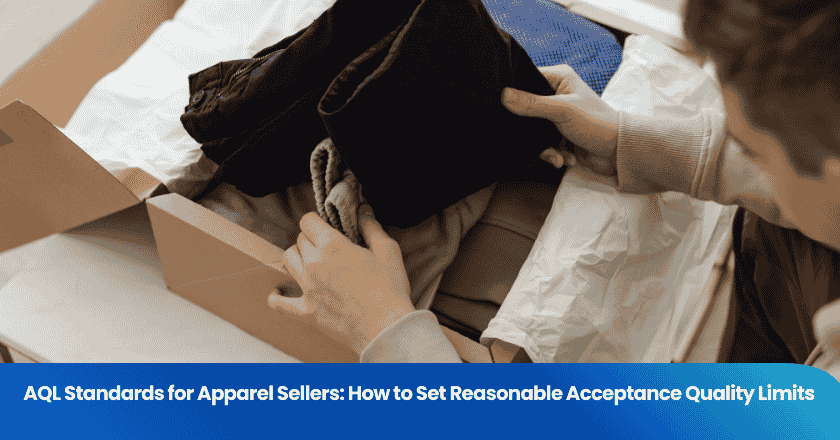
AQL standards define acceptable defect limits in apparel production, guiding quality management. By setting clear benchmarks, brands reduce defects and boost customer satisfaction while balancing inspection costs.
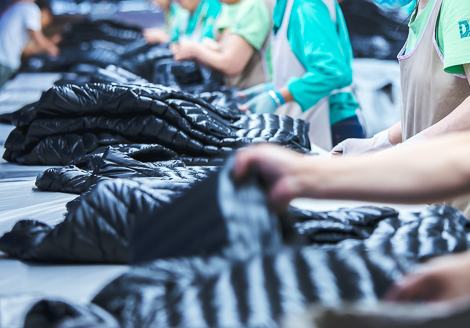
| Impact Area | Description |
|---|---|
| Defect Rates | AQL sets a maximum number of defects, leading to lower faults and improved product quality. |
| Customer Satisfaction | Clear expectations set by AQL result in better customer trust and satisfaction. |
Key Takeaways
- AQL standards set clear limits on defects, helping sellers maintain high product quality and reduce returns.
- Understanding defect classifications — Critical, Major, and Minor — guides effective quality control and decision-making.
- Regular inspections and data documentation are essential for identifying defects and improving quality management.
- Aligning AQL levels with brand strategy ensures that quality meets customer expectations while managing costs.
- Training staff on AQL standards and inspection processes enhances product reliability and builds customer trust.
Understanding AQL Standards in Apparel
What Is Acceptable Quality Limit (AQL)?
Acceptable Quality Limit, often called AQL, sets the maximum number of defects allowed in a batch of apparel before the batch fails inspection. Apparel sellers use AQL standards to determine sample sizes and tolerable defect levels. AQL sampling uses statistical methods to select a random group of items from a production lot.
Inspectors check for stitching defects, fabric flaws, color discrepancies, sizing mistakes, and accessory errors. If the number of defects stays below the set AQL, the batch passes. If defects exceed the limit, the batch fails and typically requires rework.
AQL standards follow international guidelines. Inspectors sort defects into three groups: Critical, Major, and Minor. Critical defects have zero tolerance. Major defects generally allow up to 2.5%, while Minor defects can reach 4%. The buyer decides the AQL level based on product type and risk tolerance.
| Key Component | Description |
|---|---|
| AQL Definition | A standard used to determine the acceptable level of defects in a production lot. |
| Sampling Size | The number of garments inspected from a lot, determined by AQL level and order quantity. |
| AQL Level | The maximum acceptable percentage of defective garments (common levels: 1.0, 2.5, 4.0). |
| Types of Defects | Includes stitching defects, fabric flaws, color discrepancies, sizing irregularities, and accessory issues. |
Why AQL Matters for Apparel Sellers
AQL standards play a key role in quality control for apparel brands. Sellers use AQL sampling to check products before shipment, identifying defects early to avoid costly returns.
- Ensures consistent quality by setting clear defect thresholds.
- Minimizes risk by catching problems before products reach customers.
- Supports buyer compliance, as many buyers demand AQL standards.
- Balances cost and efficiency, saving time and money compared to checking every item.
Core Principles of AQL Standards
Statistical Sampling and ISO 2859-1
AQL Sampling forms the backbone of quality control in apparel manufacturing. Brands use AQL sampling to check a random group of garments from each batch. ISO 2859-1 provides a global framework for AQL sampling, guiding sellers on how to choose sample sizes and set acceptance criteria.
Tip: Choosing the right inspection level helps brands effectively balance quality assurance with budget constraints.
| Inspection Level | Description |
|---|---|
| General Inspection Level I (GI) | Basic level of inspection for general use. |
| General Inspection Level II (GII) | Standard inspection level used for most apparel shipments. |
| General Inspection Level III (GIII) | Most stringent level for critical quality requirements. |
AQL vs. Zero Defects
AQL standards do not promise zero defects. Instead, they set a limit for how many defects are acceptable in a batch. Brands choose their AQL level based on market needs and risk tolerance. For example, luxury brands may set a tighter AQL (1.5), while fast fashion brands may accept a higher defect rate (4.0) to control costs.
Apparel Defect Classification and AQL Levels
Critical, Major, and Minor Defects
Apparel sellers rely on a clear defect classification system to sort defective items into three main categories. The table below shows how these defect types differ:
| Defect Type | Definition | Examples | Impact |
|---|---|---|---|
| Critical | Poses safety hazards or makes product unusable. | Sharp needles, mold, incorrect labeling. | Automatically rejected. |
| Major | Reduces functionality or appearance but no safety risk. | Holes, open seams, wrong size labeling. | Rejected if count exceeds AQL limit. |
| Minor | Small imperfections affecting perceived quality. | Loose threads, slight color shading. | Often acceptable in small numbers. |
Setting Reasonable AQL Tolerances
Apparel sellers must set AQL levels that match their brand goals. The Acceptable Quality Limit for each defect type generally follows these guidelines:
- Critical Defects:Always 0 (Zero Tolerance).
- Major Defects:Typically AQL 2.5 for standard apparel.
- Minor Defects:Typically AQL 4.0.
Tip: Brands should review AQL standards regularly to keep product quality high and adjust tolerances as market needs change.
Strategic AQL Selection for Apparel
Aligning AQL with Brand and Cost
Apparel brands use AQL standards to set clear expectations. Luxury brands often choose AQL 1.5 to maintain high quality. Mid-range brands prefer AQL 2.5, which balances inspection costs and quality control.
| AQL Level | Quality Standard | Typical Usage |
|---|---|---|
| 1.5 | High-quality | Luxury brands, premium apparel |
| 2.5 | Standard quality | Mid-range fashion, general retail |
| 4.0 | Acceptable | Budget brands, basic wear |
Apparel AQL Inspection Process

Sampling Plan and Inspection Levels
The inspection begins with a clear AQL Sampling Plan. Inspectors determine the sample size based on the total order quantity and the inspection level (usually Level II) using standard AQL tables.
Acceptance and Rejection Criteria
If the number of defects stays within the acceptance number, the batch passes. If defects exceed the rejection number, the batch fails. When a batch fails, sellers typically ask the supplier to rework the goods.
Common AQL Mistakes in Apparel
Misclassifying Defects
Many sellers struggle with misclassifying defects. Inspectors sometimes label Critical defects as Major, which can allow unsafe products to reach customers. This mistake can reduce trust in the brand and damage reputation.
Ignoring Supplier Performance
Some sellers focus only on product specs, ignoring supplier performance data. This oversight can lead to financial losses. Brands should include supplier performance history in their quality control criteria.
Improving Your AQL Approach
Building a Defect Tolerance Manual
A Defect Tolerance Manual helps teams achieve consistent quality. This manual outlines clear steps for inspection and sets standards for defect classification.
| Step | Action Required | Checkpoint |
|---|---|---|
| Inspect raw fabric | Check for flaws | 4-Point System |
| Test colorfastness | Wash and observe color | Grey Scale 4/5 |
| Measure garment | Compare to standard | Tolerance +/- 0.5 inch |
Need help setting up your AQL standards?
Contact TradeAider's apparel experts to create a custom inspection plan that fits your brand.
FAQ
What does AQL mean in apparel quality control?
AQL stands for Acceptable Quality Limit. It sets the maximum number of defects allowed in a batch before the batch fails inspection.
How does AQL sampling improve customer satisfaction?
AQL sampling helps brands catch defects before products reach buyers. This process leads to fewer returns and complaints.
Why do brands classify defects as Critical, Major, or Minor?
Brands sort defects by severity to decide urgent action. Critical defects pose safety risks, Major defects affect function, and Minor defects impact appearance.
What happens if a batch fails AQL inspection?
If a batch fails, the supplier must fix or replace defective items. The seller typically requests a re-inspection at the supplier's expense.
Related Articles
 in China Preventing Empty Boxes and Damage.png)
 vs. During Production Inspection (DPI) Which Do Sellers Need.png)
Grow your business with TradeAider Service
Click the button below to directly enter the TradeAider Service System. The simple steps from booking and payment to receiving reports are easy to operate.
