
- About Us

- Our Services
- Your Industry
- Resources
- News & Blog
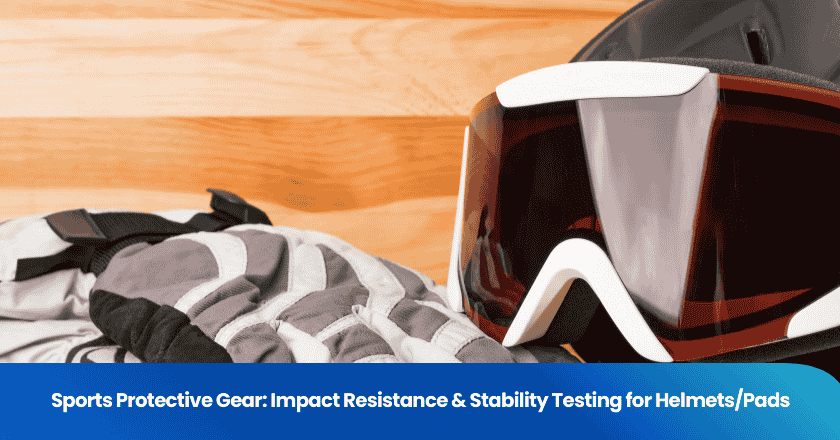
Safety is paramount for athletes relying on helmets and pads to protect against head and neck injuries. Recent studies indicate that proper helmet fit and adequate padding thickness significantly reduce concussion rates and symptom severity in high-contact sports like football and hockey. To ensure this protection, manufacturers employ rigorous impact resistance testing and stability verification. These quality control measures confirm that gear is optimized for performance, minimizing injury risks during collisions.

| Gear Feature | Injury Reduction Impact | Relevant Sport |
|---|---|---|
| Proper Helmet Fit | Reduced concussion symptom severity | Football, Hockey |
| Thicker Padding | Lower concussion rates (variable) | Football |
| Mouthguards | 28% fewer concussions | Youth Hockey |
Key Takeaways
- Proper helmet fit and padding thickness are critical for reducing concussion risks.
- Regular impact resistance testing ensures gear meets safety standards like NOCSAE and ASTM.
- Athletes must inspect gear for damage and valid certification labels before use.
- Understanding testing results empowers consumers to choose gear with superior impact absorption.
- Replace helmets every 3-5 years or immediately after a significant impact to maintain safety.
Why Helmet Safety and Testing Matter
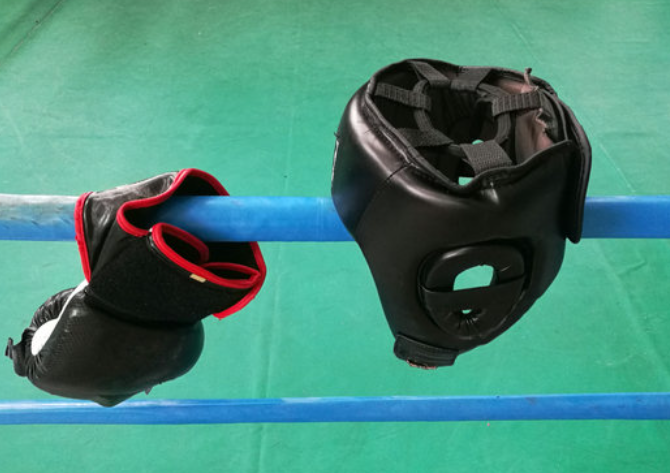
Preventing Sports Injuries
Helmets and pads are engineered to absorb and dissipate impact forces, reducing the likelihood of traumatic injuries. In sports like football, where concussions are a major concern, the effectiveness of this gear is non-negotiable. Proper safety testing ensures that helmets stay in place during play, preventing injuries caused by gear shifting or detaching.
Note: Even the best helmet cannot protect you if it doesn't fit. Always check that your gear meets current safety standards and fits snugly.
Role of Quality Control and Compliance
Quality control protocols verify that protective gear can withstand specified forces without failure. Regular inspections identify manufacturing defects—such as material weaknesses or structural flaws—that could compromise safety.
| Defect Type | Risk Implication |
|---|---|
| Material Defects | Weakened shell or foam compromise impact absorption. |
| Structural Defects | Cracks or poor assembly lead to catastrophic failure. |
| Design Defects | Inadequate coverage leaves vulnerable areas exposed. |
What Is Impact Resistance Testing?
Impact resistance testing evaluates a helmet's ability to protect the head from blunt force trauma. Labs use mechanical rams and drop towers to simulate real-world impacts, measuring how well the gear absorbs shock and prevents force transfer to the head.
Mechanical and Enclosure Impact Tests
Testing involves both destructive and non-destructive methods. Destructive tests strike the helmet until failure to determine its breaking point, while non-destructive methods like 3D scanning check internal integrity.
| Test Type | Description |
|---|---|
| Destructive Tests | Severe impacts to assess durability limits under extreme conditions. |
| Non-Destructive Tests | Advanced scanning (CT/3D) to check internal structures without damage. |
Common methodologies include Charpy and Izod impact testing, which measure the energy absorbed by materials during fracture. These metrics help engineers refine toughness and durability.
Regulatory and Industry Standards (ASTM, EN, etc.)
Protective gear must meet strict international standards. Key organizations include:
| Standard Body | Scope |
|---|---|
| ASTM International | Wide range of sports (Hockey, Baseball, Skiing). |
| NOCSAE | Focus on football, baseball, and lacrosse helmets. |
| EN (European Norms) | Industrial and sports helmet safety in Europe. |
| CPSC | Consumer product safety, specifically bicycle helmets. |
These standards dictate specific performance criteria, such as:
- Impact Attenuation: Peak acceleration must not exceed 300g for adults.
- Retention System Strength: Straps must not stretch more than 30mm or detach.
- Peripheral Vision: Must allow at least 105 degrees of vision.
Helmet Stability Verification and Functional Checks
Retention System and Strap Testing
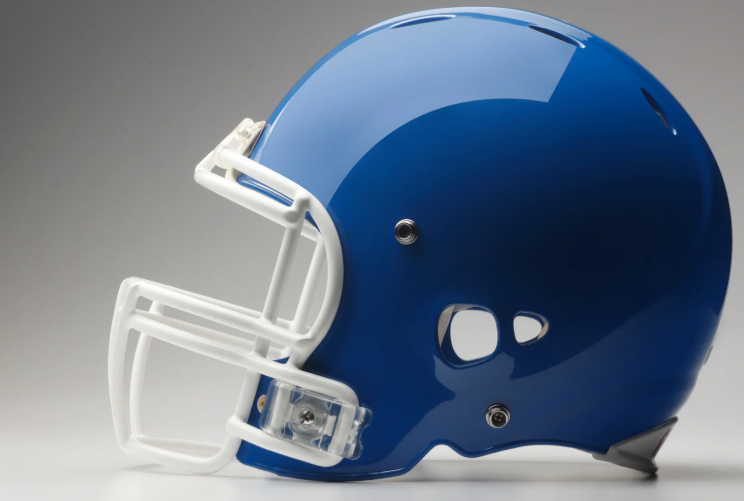
A helmet is useless if it falls off during a crash. Stability tests ensure the retention system (chin strap) keeps the helmet secure. The Roll-Off Test simulates forces that might pull the helmet forward or backward off the head.
| Test Name | Purpose |
|---|---|
| Dynamic Strength | Ensures chin straps don't break or stretch excessively under shock load. |
| Roll-Off Test | Verifies the helmet stays on the head during impact. |
| Dynamic Retention | Tests stability by applying a sudden weight drop to the strap. |
Industry standards like EN 14052 require chin straps to withstand forces between 150N and 250N without failure.
Fit, Workmanship, and Product Conformity
Inspectors perform functional checks to verify product quality beyond lab data. This includes examining the shell for cracks, checking internal padding adhesion, and ensuring labels are correct and legible.
The Science of Impact Testing and Safety
Force, Energy Absorption, and Toughness
Impact testing relies on physics. The goal is to manage the kinetic energy of a collision. Helmets use a hard outer shell to distribute force and an inner liner (usually Expanded Polystyrene or EPS) to absorb it by crushing. This extends the stopping time of the head, reducing peak G-forces.
| Concept | Application in Gear |
|---|---|
| Load Distribution | Spreading force over a wider area (hard shell). |
| Energy Absorption | Compressible materials (EPS foam) absorb shock. |
| Fluid/Smart Materials | Adaptive cushioning that hardens on impact. |
Interpreting Test Results for Safer Choices
When choosing gear, look for certification labels like ASTM, Snell, or NOCSAE. These indicate the helmet has passed rigorous testing. For example, a helmet meeting CPSC standards has demonstrated it can handle significant impact without transmitting dangerous force levels to the head.
Impact resistance and stability testing are vital for athlete safety. Advances in materials continue to improve protection, but the basics remain: buy certified gear, ensure a proper fit, and replace equipment regularly. Always check for labels from recognized bodies like SEI (Safety Equipment Institute).
| Certification Body | Standards Covered |
|---|---|
| SEI | ASTM, ANSI, CSA, NOCSAE |
| NOCSAE | Football, Baseball, Lacrosse |
| Snell Foundation | Motorcycle, Auto Racing, Skiing |
FAQ
How often should athletes replace their helmets?
Replace helmets every 3-5 years, or immediately after a significant impact. Padding degrades over time, reducing effectiveness.
What do certification labels mean?
Certification labels (like ASTM, CPSC) prove the gear has been independently tested and meets specific safety standards for impact and retention.
Why is helmet fit important?
A loose helmet can slide out of position during a fall, leaving the head unprotected. A proper fit ensures the helmet works as designed.
How can I check if my gear is safe?
Visually inspect for cracks in the shell, worn straps, or crumbling foam. Check the manufacturing date and ensure the certification sticker is present.
Which tests confirm helmet stability?
The Roll-Off Test and Dynamic Retention Test are the primary methods used to ensure a helmet stays securely on the head.

Related Articles

Grow your business with TradeAider Service
Click the button below to directly enter the TradeAider Service System. The simple steps from booking and payment to receiving reports are easy to operate.
