
- About Us

- Our Services
- Your Industry
- Resources
- News & Blog
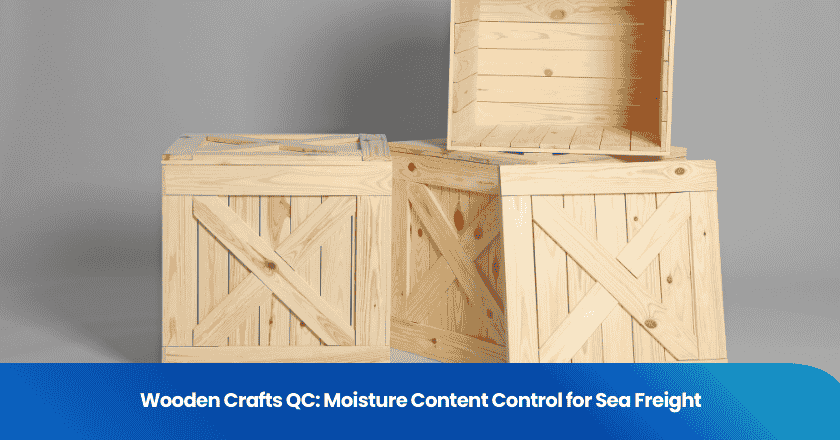
Managing moisture levels in wooden crafts is critical for safe sea freight. Wood is hygroscopic, meaning it absorbs and releases moisture based on its environment. Without proper control, internal moisture leads to cracking, while external humidity fosters mold growth. Industry standards generally recommend maintaining wood moisture content (MC) between 8% and 25% by weight, with a specific range of 9% to 14% preferred for many export products. Effective control relies on precise material preparation and rigorous supervision of the shipping environment.

Key Takeaways
- Maintain wood moisture levels between 8% and 25% to prevent structural damage during shipping.
- Use calibrated moisture meters to regularly check wood MC at every production stage.
- Ensure shipping containers are dry and watertight before loading to avoid external moisture intrusion.
- Implement robust packaging with moisture barriers and desiccants to protect crafts from humidity fluctuations.
- Monitor humidity levels inside containers using data loggers to prevent "container rain."
Why Moisture Control Is Critical

Risks of Moisture-Related Damage
Wooden crafts face unique challenges during transport. Wood's natural ability to absorb water makes moisture management essential for hardline, gift, and handicraft products. Common issues include:
- Warping and Swelling: Changes in shape that can ruin the product's fit and finish.
- Mold and Mildew: Fungal growth caused by high humidity and warmth, leading to health risks and rejection.
- Discoloration: Water stains or fungal byproducts that mar the wood's appearance.
- Structural Weakening: Breakdown of wood fibers due to extreme moisture fluctuations.
Controlling moisture content is the primary defense against these defects, ensuring products arrive in pristine condition.
Sea Freight Environmental Challenges
Sea freight exposes cargo to extreme temperature and humidity shifts. Inside a sealed container, temperatures can soar during the day and drop rapidly at night, causing condensation known as "container rain."
| Shipping Route | Temp Extreme (High) | Temp Extreme (Low) | Risk Factor |
|---|---|---|---|
| Asia to US (South) | 57°C (135°F) | -29°C (-21°F) | Thermal Shock |
| Asia to Europe | Variable | Variable | High Humidity |
Moisture management during sea freight protects against these harsh conditions, preventing the condensation cycle that leads to mold and water damage.
Controlling Moisture Content in Production
Raw Material Verification
Effective moisture management starts with the raw material. Before production begins, inspectors must verify the quality of the wood. Pre-Production Inspection (PPI) ensures the wood meets required MC standards, preventing issues like cracking later in the process.
Common verification methods include:
- Oven-Dry Method: The most accurate way to determine MC by drying samples until weight is constant.
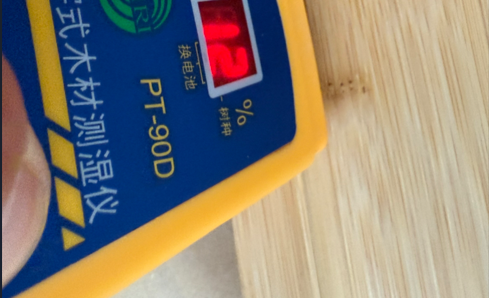
- Electric Moisture Meters: Quick, non-destructive tools for checking multiple points on a piece of wood.
Tip: Always document PPI results. This record helps trace the source of any quality issues that arise later.
Kiln Drying and Acclimation
Kiln drying is the industry standard for reducing wood moisture to safe levels. By controlling temperature and humidity in a chamber, manufacturers can dry wood evenly, avoiding the stress that causes warping. Following drying, acclimation allows the wood to stabilize to the ambient environment of the manufacturing or installation site, further reducing the risk of movement post-production.
Measuring Moisture with Meters
Factories rely on accurate moisture meters throughout production. The choice of meter impacts reliability.
| Meter Type | Accuracy | Best Use |
|---|---|---|
| High-quality Pinless | Within 0.1% | Finished products (non-destructive) |
| Pin-Type | Variable | Raw lumber, core readings |
| Low-grade | 5% to 20% | Not recommended for QC |
Regular checks with reliable equipment prevent the shipment of goods with excess moisture, securing the product against mold and cracking.
Preventing Moisture-Related Damage During Shipping
Container Loading Supervision
Container Loading Supervision (CLS) is a critical final step. Inspectors verify the container is dry, watertight, and free from odors or existing mold. They monitor relative humidity (aiming for below 60% at loading) and oversee the placement of desiccants.
Packaging Integrity and Moisture Barriers
Packaging integrity is the last line of defense. Reliable packaging creates a micro-climate around the product.
| Packaging Material | Function |
|---|---|
| Vapor Barrier Bags | Block external moisture and humidity. |
| Desiccant Packs | Absorb trapped moisture within the package. |
| Silica Gel | Maintains a dry environment for sensitive items. |
Use of Desiccants and Container Liners
Desiccants like calcium chloride are highly effective, absorbing over 300% of their weight in moisture. For sensitive shipments, container liners provide a waterproof shield against container wall condensation, ensuring the cargo remains dry even if "container rain" occurs.
Quality Control and Monitoring
Environmental Adaptability Testing
Laboratories perform environmental tests to simulate shipping hazards. Tests include thermal cycling and high-humidity exposure to verify that the product and packaging can withstand the voyage without failure.
Pre-Shipment Inspections and Documentation
Before goods leave the factory, inspectors verify moisture levels one last time. Documentation is key:
- Phytosanitary certificates for wooden handicrafts.
- Declarations of treatment and inspection.
- Moisture content records for the final batch.
Monitoring During Transit
Real-time data loggers track temperature and humidity inside the container during transit. This data alerts shippers to dangerous conditions and provides accountability if damage occurs.
Tip: Use real-time monitoring to catch problems early and keep wooden crafts safe during sea freight.
Common Mistakes to Avoid
Skipping Moisture Checks
Overlooking moisture checks during production is a gamble. High moisture content is the root cause of fungal growth and structural failure. Regular testing with calibrated meters is a non-negotiable part of quality control.
Poor Packaging Choices
Using permeable packaging allows ambient moisture to reach the wood. Without vapor barriers or adequate desiccants, the wood will re-absorb moisture from the humid container air, leading to swelling and mold upon arrival.
Ignoring Container Conditions
Loading goods into a damp or leaky container guarantees damage. A container with a high moisture content in its wooden floorboards can release liters of water into the air during the voyage. Always inspect the container's floor humidity before loading.
Wooden crafts require vigilant moisture control to survive sea freight. By adhering to best practices—kiln drying, rigorous MC testing, proper packaging, and container supervision—exporters can prevent costly damage like cracking and mold. Reliable quality control ensures your products arrive in the same condition they left the factory.
FAQ
What causes wooden crafts to crack during shipping?
Cracking is caused by rapid changes in moisture content. As wood dries out or absorbs moisture unevenly due to temperature swings in the container, it expands and contracts, leading to stress fractures.
How does mold develop on wooden crafts during shipping?
Mold thrives in warm, humid conditions. If the air inside the shipping container reaches a high relative humidity (due to temperature drops or wet cargo), condensation forms on the wood, creating an ideal breeding ground for mold spores.
What steps help protect cargo from moisture damage?
Key steps include kiln drying wood to the correct MC, using moisture barriers in packaging, adding desiccants to the container, and conducting a pre-loading container inspection.
Why is container loading supervision important?
It ensures that the goods are loaded into a clean, dry, and watertight container. Inspectors can reject containers with holes, wet floors, or odors that could damage the cargo.

Related Articles

.png)
Grow your business with TradeAider Service
Click the button below to directly enter the TradeAider Service System. The simple steps from booking and payment to receiving reports are easy to operate.
