
- About Us

- Our Services
- Your Industry
- Resources
- News & Blog
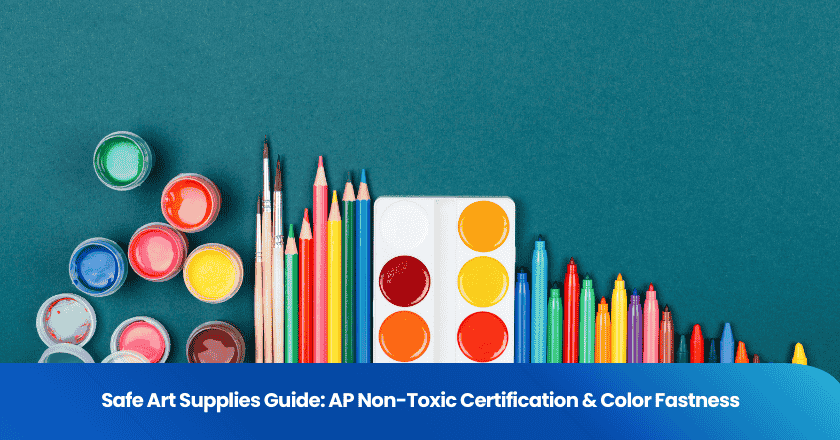
Parents and teachers prioritize art supplies that are safe for children while encouraging creativity. Ensuring products carry non-toxic seals like AP Non-Toxic or safety certifications such as CPSIA, EN 71, or ASTM D4236 is essential. Beyond safety, verifying color fastness ensures that artwork remains vibrant and durable. This guide helps you navigate official documentation, understand product testing, and perform simple checks to guarantee both safety and quality in kids' art projects.
Tip: Always select non-toxic products for painting with kids to keep creativity safe and colors bright.
Key Takeaways
- Always choose art supplies with the AP Non-Toxic seal. This seal indicates that products meet strict safety standards and are safe for children.
- Check for color fastness ratings on paint and crayons. High ratings mean colors will resist fading over time.
- Perform simple at-home tests to verify color fastness by exposing samples to sunlight.
- Review safety certifications like CPSIA and ASTM D4236 before purchasing to confirm regulatory compliance.
- Select washable paints for easy cleanup, balancing safety with convenience.
Art Supplies Safety Certification
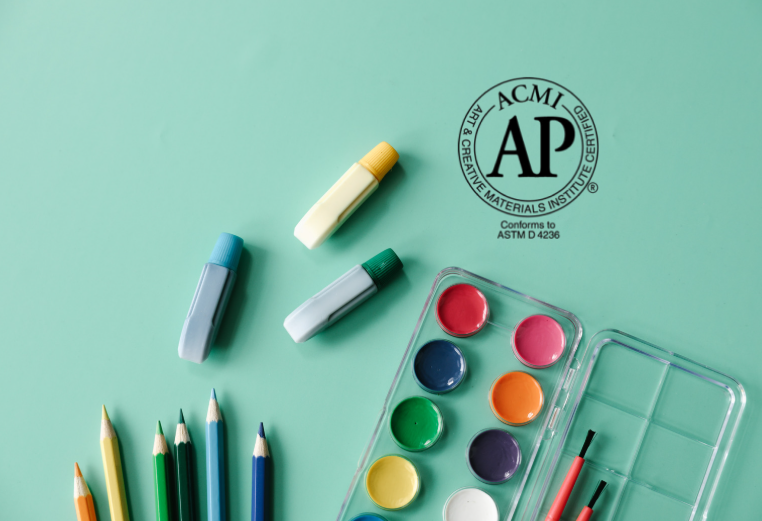
AP Non-Toxic Seal Meaning
The AP (Approved Product) Non-Toxic seal is a trusted identifier for families and educators. It signifies that an art product has undergone a toxicological evaluation by medical experts. This evaluation checks for acute and chronic toxicity and ensures compliance with federal laws, including the Labeling of Hazardous Art Materials Act (LHAMA) and ASTM D4236.
The AP Non-Toxic program includes a five-year review of product formulations. Products with this seal are non-toxic when used as intended. If a product contains hazardous materials, it must carry a CL (Cautionary Label) Seal instead.
| Requirement | Description |
|---|---|
| Toxicological Evaluation | Products undergo extensive evaluation for acute and chronic toxicity risks. |
| Compliance with Federal Laws | Must adhere to LHAMA and ASTM D 4236 labeling standards. |
| Expert Certification | Certified by a board-certified toxicologist to ensure safety for intended use. |
Regulatory Standards (CPSIA, EN 71, ASTM D4236)
Art supplies must meet rigorous safety standards before they can be sold for classroom or home use. CPSIA, ASTM D4236, and EN 71 are the primary regulations governing non-toxic materials.
| Standard | Focus | Requirements |
|---|---|---|
| CPSIA | Children's product safety (US) | Lead/phthalate testing, tracking labels, CPC certificate. |
| ASTM D4236 | Chronic health hazards | Mandatory hazard labeling for art materials in the US. |
| EN 71 | Toy safety directive (EU) | Chemical, physical, and flammability safety. |
How to Spot Genuine Safety Labels
Consumers can verify the authenticity of safety labels by following these steps:
- Look for the statement "conforms to ASTM D 4236" on the packaging.
- Check for the ACMI (Art and Creative Materials Institute) seal.
- Ensure the AP label is clearly visible, confirming the product is non-toxic.
Color Fastness in Paint and Crayons

Why Color Fastness Matters
Color fastness refers to a material's resistance to fading or changing color when exposed to light, moisture, or friction. For children's art, using supplies with poor color fastness can result in artwork that fades quickly or colors that bleed. High color fastness ensures that creative projects remain vibrant, which is especially important for displays in classrooms or homes.
Environmental factors like sunlight (UV rays) and humidity accelerate fading. Selecting high-quality products with strong color fastness helps protect artwork from these elements.
Finding Color Fastness Ratings
Many manufacturers test their products using standardized methods like ASTM D6901 or D5383. Consumers can often find color fastness ratings (sometimes called lightfastness) on product packaging or brand websites.
| Rating System | Indicator | Meaning |
|---|---|---|
| Star Rating | *** (3 Stars) | Maximum resistance to fading. |
| ASTM Categories | Lightfastness I | Excellent lightfastness (100+ years in museum conditions). |
| Blue Wool Scale | Scale 1-8 | 8 is superior fastness; 1 is very poor. |
At-Home Color Fastness Tests
Parents and teachers can perform simple tests to check the durability of art supplies:
- Sunlight Test: Place a color swatch in a sunny window for a few weeks, covering half of it with opaque paper. Check for fading on the exposed side.
- Rub Test: Rub a colored area with a dry cloth to see if the pigment transfers easily.
- Water Test: For non-water-soluble media, apply a drop of water to see if the color bleeds.
Choosing the Best Paint for Kids Crafts
Safety Checklist for Art Supplies
To support safe creativity, use this checklist before purchasing:
- Verify non-toxic labels (AP, EN 71, ASTM D4236).
- Choose washable paints to ensure easy cleanup and reduce stain risks.
- Avoid solvent-based products; stick to water-based formulas.
- Test for allergens if the child has specific sensitivities (e.g., egg, casein).
The table below compares common types of safe paints for children:
| Paint Type | Features | Best Uses |
|---|---|---|
| Tempera Paint | Washable, opaque, matte finish. | Paper crafts, posters, finger painting. |
| Watercolor | Transparent, easy cleanup. | Paper art, exploring blending. |
| Acrylic Paint (Kids) | Water-resistant when dry, durable. | Wood, canvas, stone painting. |
| Finger Paint | Thick texture, non-toxic, very washable. | Tactile play for toddlers. |
Tips for Long-Lasting Color
To ensure artwork stands the test of time:
- Proper Storage: Keep paints in a cool, dry place and ensure lids are tightly sealed to prevent drying.
- Quality Paper: Use acid-free paper to prevent yellowing and color degradation over time.
- Avoid Direct Sunlight: Display artwork away from direct windows to minimize UV damage.
- Varnishing: For acrylic projects on canvas or wood, a non-toxic varnish can seal and protect the colors.
Choosing the right art supplies involves a balance of safety and quality. By verifying official seals like ACMI and ensuring compliance with ASTM standards, parents and educators can provide a safe environment for artistic expression.
| Benefit | Description |
|---|---|
| Non-toxic certification | Protects kids' health and meets safety standards. |
| Accurate color fastness | Keeps artwork vibrant and long-lasting. |
| Proper supervision | Reduces risks and supports safe creativity. |
FAQ
What does non-toxic mean for art supplies?
Non-toxic means the product does not contain harmful materials in sufficient quantities to cause acute or chronic health problems. Always check for the AP seal to confirm this status.
How can families choose the best paint for kids crafts?
Look for non-toxic certified washable paints. These ensure safety and easy cleanup, making them ideal for home use.
Why is color fastness important?
Color fastness ensures that the artwork does not fade quickly when exposed to light. It preserves the vibrancy of the child's creation over time.
What is the difference between latex vs. acrylic paint for art projects?
Latex is typically house paint and not suitable for kids' art. Acrylics for crafts are water-based, offer better color selection, and dry to a durable finish suitable for various surfaces.
Related Articles
Grow your business with TradeAider Service
Click the button below to directly enter the TradeAider Service System. The simple steps from booking and payment to receiving reports are easy to operate.
