
- About Us

- Our Services
- Your Industry
- Resources
- News & Blog
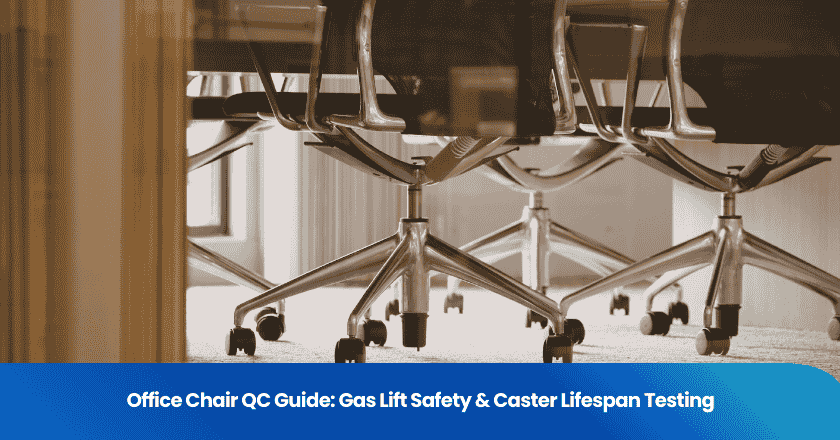
Adjustable office chairs undergo rigorous mechanical testing to ensure both gas lifts and casters meet safety and durability expectations set by BIFMA standards. Manufacturers rely on specialized protocols to verify reliable performance. Gas lift safety remains a top priority because component failure can lead to serious injury or product recalls. Common issues include leakage from overloading, mechanical failure from misuse (like bouncing), and structural damage from impact or extreme heat exposure.
Key Takeaways
- BIFMA standards ensure office chairs meet safety and durability benchmarks, helping buyers choose reliable products.
- Regular inspection and maintenance of gas lifts and casters can prevent failures and extend the lifespan of office chairs.
- Understanding common risks, like overloading and misuse, can help users avoid accidents and ensure safe chair operation.
- Choosing certified components and following ergonomic guidelines leads to better comfort and productivity in the workplace.
- Simple maintenance steps, like cleaning and lubrication, can significantly enhance the performance and durability of office chairs.
BIFMA Standards and Quality Assurance
What BIFMA Covers
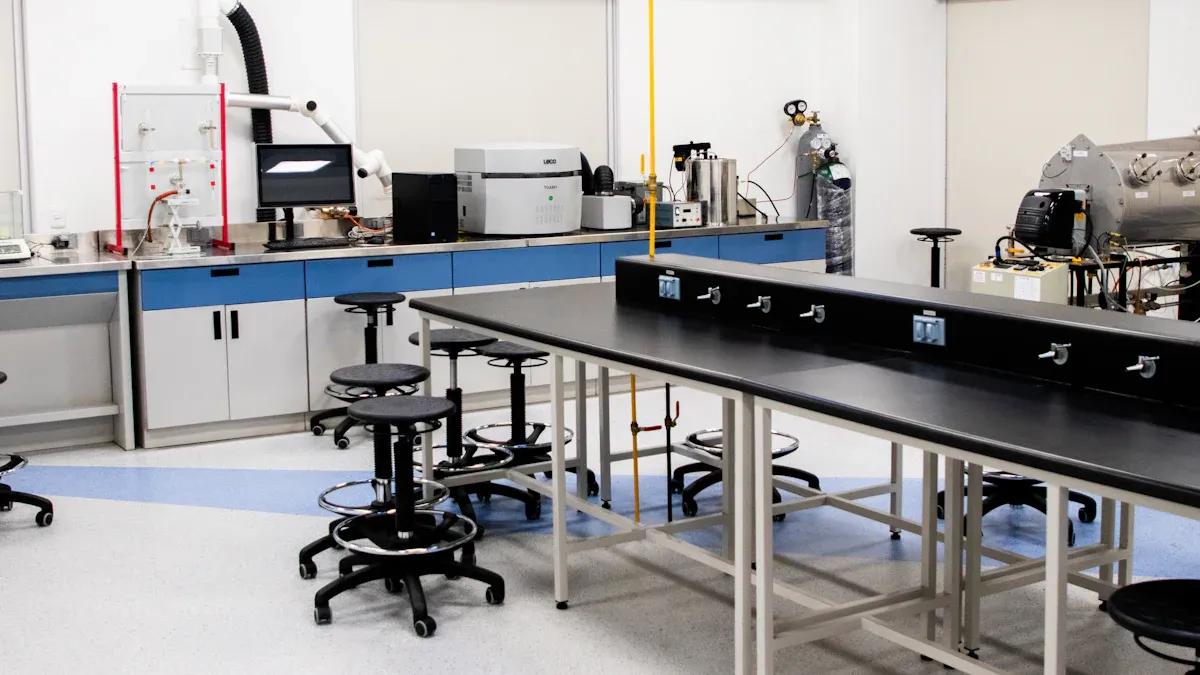
BIFMA (Business and Institutional Furniture Manufacturers Association) sets the gold standard for safety and durability in office furniture. These protocols are regularly updated to address evolving design trends. Manufacturers must test products against criteria that simulate years of intense use. Testing facilities perform roughly 50 different tests, checking for stability to prevent tipping, structural durability, and mechanical strength to support various user weights.
Tip: BIFMA standards help buyers identify products that have passed strict safety and performance checks.
| BIFMA Test Category | Purpose |
|---|---|
| Stability | Prevents tipping under load. |
| Durability | Ensures functionality over long-term use. |
| Safety | Protects users from pinch points and failure. |
| Mechanical Strength | Verifies structural integrity under weight. |
Customized Testing Requirements
Quality assurance services often tailor BIFMA protocols to meet specific client needs. For example, a client might request higher weight capacity testing for heavy-duty chairs. Inspectors follow detailed checklists for each component:
- Gas Lifts: Subjected to cyclic compression tests.
- Casters: Tested for fatigue over obstacle courses.
- Assembly: Verified for workmanship and torque specifications.
This flexibility allows manufacturers to innovate while maintaining a baseline of safety.
Gas Lift Safety Testing for Adjustable Office Chairs
Common Gas Lift Risks
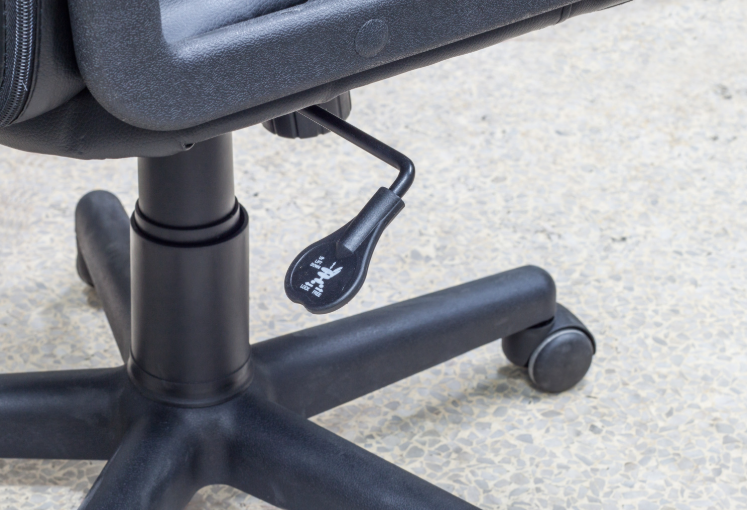
The pneumatic gas lift is critical for height adjustment but poses risks if defective. Common failure points include worn seals leading to sinking (pressure loss), mechanical seizure, or even explosive failure in rare, low-quality components. Prolonged use tests help reveal weaknesses that initial inspections might miss, ensuring the mechanism can withstand thousands of adjustment cycles.
Mechanical Strength and Safety Checks
Inspectors apply maximum load, drop, and compression tests to simulate real-world abuse. These tests verify that the gas lift won't collapse under sudden weight or fail structurally. Testing facilities also analyze past incidents to improve safety protocols, ensuring current standards address known risks like metal fatigue or cylinder rupture.
Certification and Regular Inspection
Certification ensures compliance with strict safety norms. Inspectors verify that the gas lift is properly Class-rated (Class 3 or 4 is standard for offices) and correctly installed. Regular maintenance inspections check for oil leaks or wobbling, which are early signs of failure.
Caster Lifespan and Durability Testing
Durability and Fatigue Tests
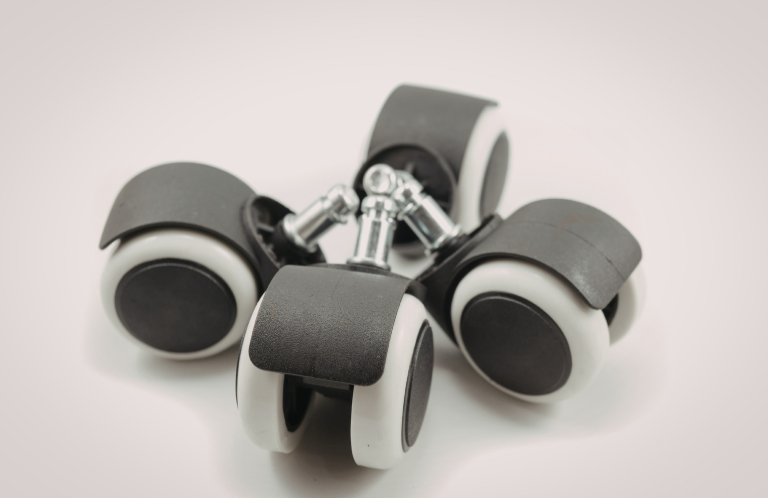
Casters bear the brunt of movement and weight. BIFMA guidelines mandate rigorous fatigue testing. The standard requires casters to endure rolling under load over obstacles without breaking or seizing.
| Test Type | Standard Load | Requirement |
|---|---|---|
| Dynamic Durability | 113 Kg (approx.) | Roll over obstacles 2,000 cycles without failure. |
| Rotation Fatigue | User Weight Load | Complete 100,000+ rotations (swivel test). |
Durability testing confirms that casters won't crack or detach, ensuring user safety and floor protection.
Workmanship and Assembly Impact
Even high-quality casters fail if installed poorly. Inspectors check for correct stem insertion and alignment. Uneven weight distribution caused by poor assembly accelerates wear. High-quality workmanship ensures the load is balanced across the wheel base, extending the chair's lifespan.
User Maintenance Tips
Users can extend caster life by cleaning debris like hair and dust from the axles regularly. Lubricating the pivot points reduces friction. If a caster becomes difficult to roll, replace it immediately to prevent strain on the chair base.
Ensuring Safety and Durability in Office Chairs
Choosing Certified Components
BIFMA compliance is key. Integrated testing covers structural integrity, ergonomics, and sustainability. Manufacturers use these benchmarks to verify that every pneumatic or hydraulic component is safe for daily use.
| Testing Category | Focus Area |
|---|---|
| Structural Integrity | Frame and base strength. |
| Ergonomic Design | Lumbar support and adjustability. |
| Sustainability | Environmental impact of materials. |
Signs of Wear and Replacement
Regular checks are vital. A sinking seat indicates a failing gas cylinder. Difficulty rolling often means caster axles are clogged or worn. Loose bolts or a wobbly base suggest structural fatigue. Addressing these signs early prevents accidents and maintains ergonomic support.
BIFMA-certified office chairs offer verified safety and comfort. By adhering to these testing protocols, manufacturers reduce liability risks, and buyers get durable products that improve workplace productivity. Prioritizing certified components and regular maintenance is the best strategy for a safe office environment.
FAQ
How often should users inspect office chair gas lifts and casters?
Users should inspect gas lifts and casters every six months. Regular checks help spot early signs of wear or damage, preventing accidents.
What does BIFMA certification mean for office chairs?
BIFMA certification shows that a chair meets strict industry safety and durability standards, verified through rigorous testing.
Can users replace gas lifts or casters themselves?
Yes, most gas lifts and casters are designed to be replaceable with basic tools. However, ensure you buy the correct class and size for your specific chair model.
Why do casters sometimes fail before the rest of the chair?
Casters are moving parts exposed to floor debris and constant friction. Without cleaning, dirt builds up in the axles, causing them to seize and break.
What are signs that a gas lift needs replacement?
If the seat sinks slowly after you adjust it, or if it fails to hold its height at all, the pneumatic seals have likely failed and the unit needs replacement.

Related Articles

Grow your business with TradeAider Service
Click the button below to directly enter the TradeAider Service System. The simple steps from booking and payment to receiving reports are easy to operate.
