
- About Us

- Our Services
- Your Industry
- Resources
- News & Blog
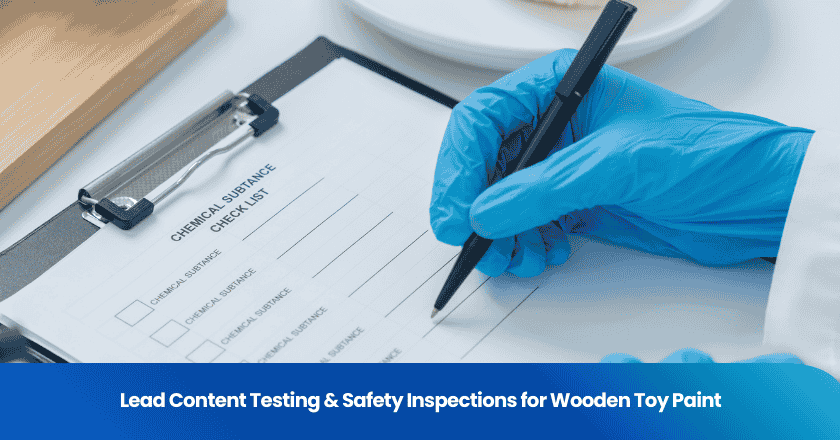
Children deserve safe toys that protect their health. Testing for lead content in paint is essential because even microscopic amounts can harm a child's development. Strict safety checks are required, especially for imported goods. Common sources of contamination in wooden toys include lead-based paints, formaldehyde glues in composite woods, chemical stains containing VOCs, and pressure-treated woods with preservatives. Manufacturers, parents, and inspectors must address these risks to ensure safer play environments.

Key Takeaways
- Lead testing is crucial for children's toys as even small amounts can impact health and development.
- Manufacturers must choose non-toxic paints with certifications like EN71 or ASTM F963.
- Regular inspections of wooden toys identify physical hazards like sharp edges and loose parts.
- Certified laboratory testing provides the most reliable results for lead detection and regulatory compliance.
- If lead is detected, immediately remove the toy from use and consult a professional.
Lead Content Testing and Safety Standards
Regulatory Requirements for Toys
Regulations in the United States, Europe, Canada, and Japan set strict limits on lead in children's products. These rules help manufacturers meet safety certifications and protect consumers. The following table highlights key regional regulations:
| Regulation | Lead Content Limit | Additional Notes |
|---|---|---|
| CPSIA (U.S.) | 90 ppm (paint), 100 ppm (total) | No accessible part can exceed this limit. |
| EU Toy Safety Directive | 2 mg/kg (dry), 0.5 mg/kg (liquid) | Limits vary by material type. |
| Canada | 90 mg/kg | Applies to accessible parts. |
| Japan | 90 mg/kg (paint) | Specific to material type. |
Note: In the US, the strict 90 ppm limit for paint helps prevent exposure from deteriorating surfaces on wooden toys.
Regulatory agencies enforce these limits because paint deterioration—cracking or peeling—can lead to the ingestion of lead dust. Testing ensures compliance and reduces long-term health risks.
Health Risks of Lead Exposure
Lead exposure can cause serious health problems. Children are especially vulnerable as their bodies absorb lead more easily. The table below outlines the main health effects:
| Health Effect | Description |
|---|---|
| Neurological Impacts | No safe blood lead level; can lead to brain swelling. |
| Cognitive Impairment | Linked to lower IQ and learning difficulties. |
| Developmental Issues | Affects brain/nerve growth and behavioral regulation. |
| Long-term Effects | Can cause ADHD, high blood pressure, and reproductive issues. |
Lead Testing Methods for Toys

Certified Laboratory Testing
Certified laboratory testing is the gold standard for lead detection. Labs use advanced equipment to ensure accuracy and compliance with CPSIA and other regulations.
Steps for Certified Testing:
- Find a CPSC-accepted testing company specializing in lead analysis.
- Request a quotation by providing product details (paint type, materials).
- Submit toy samples to the facility.
- Receive a detailed test report for your compliance records.
Tip: Manufacturers should always keep laboratory test reports as proof of compliance during inspections or audits.
Using Lead Testing Kits
Lead testing kits offer a practical solution for quick screening at home. While affordable and easy to use, they have limitations compared to lab testing. Kits like LeadCheck can detect surface lead but may yield false negatives if contamination is in deeper layers. They provide qualitative results (presence/absence) rather than precise measurements. For definitive compliance, professional lab testing is required.
XRF Analyzer for Painted Toys
X-ray fluorescence (XRF) analyzers allow for rapid, non-destructive testing. These handheld devices measure the energy released by the paint to detect lead presence and quantity.
- XRF allows for quick screening of large batches without damaging the product.
- Operators require safety training due to X-ray emission.
- It is widely used by factory inspectors for immediate results.
| Method | Description |
|---|---|
| DIY Home Test Kits | Available at hardware stores; good for screening but less reliable. |
| X-ray Fluorescence (XRF) | Non-destructive, rapid professional analysis. |
| Professional Lab Inspection | Involves bulk sampling; recommended for accurate risk assessment. |
Physical Safety Inspections for Wooden Toys
Splinter and Sharp Edge Checks
Inspectors play a crucial role in identifying physical hazards. Common risks include sharp edges from poor construction and small detachable parts that pose choking hazards.
Standard Inspection Procedures:
- Feel all surfaces to detect splinters or rough areas.
- Check for loose parts using tension tests.
- Examine paint and finishes for potential peeling.
- Test structural integrity by applying pressure to joints.
Workmanship and Defect Classification
Quality workmanship ensures both aesthetics and safety. Inspectors classify defects to help manufacturers address issues immediately.
| Inspection Criteria | Description |
|---|---|
| Workmanship | Scratches, gouges, dents, cracks, sharp points/edges. |
| Physical | Malfunction, stability, loose screws, assembly issues. |
| Materials | Discoloration, deformation, rust, labeling errors. |
Choosing Safe Paints and Responding to Unsafe Findings
Selecting Non-Toxic Paints for Toys
Selecting non-toxic paint protects children and supports paint safety compliance. Manufacturers should use water-based formulas that meet EN71 and ASTM F963 standards. These paints minimize VOC emissions and resist wear, keeping toys vibrant and safe even if chewed.
Key Selection Criteria:
- Safety: Verified non-toxic formulation.
- Eco-friendly: Low VOCs and water-based.
- Certified: Must comply with ASTM F963 (mandatory in US).
- Durability: Resistant to chipping and peeling.
Tip: Always check for EN71 or ASTM F963 certification on paint labels before use.
Steps to Take If Lead Is Detected
If testing reveals lead, immediate action is necessary:
- Remove the toy from the child's reach immediately.
- Discard the item or quarantine it for further professional testing.
- Consult a pediatrician if you suspect ingestion.
- Check the CPSC recalls website for updates.
Wooden toy safety relies on a combination of chemical testing and physical inspection. By adhering to best practices—such as weekly checks, proper storage, and using certified non-toxic materials—manufacturers and parents can ensure a safe play environment.
| Category | Best Practices |
|---|---|
| EN 71 Testing | Verify mechanical, chemical, and flammability compliance. |
| Regular Inspections | Check weekly for damage, loose parts, and sharp edges. |
| Proper Storage | Store toys in dry places to prevent wood degradation. |
| Cleaning | Follow manufacturer instructions to maintain finish integrity. |
FAQ
What is the safest paint for wooden toys?
Non-toxic, water-based paints labeled with EN71 or ASTM F963 certification offer the safest choice. These paints are tested to ensure they do not contain harmful heavy metals.
How often should wooden toys be inspected for safety?
Weekly inspections are recommended for home use. Regular checks help identify damage, loose parts, or splinters before they cause injury.
Can parents test for lead at home?
Parents can use EPA-recognized lead testing kits for a quick screen. However, for 100% accuracy and regulatory compliance, professional lab testing is required.
What should manufacturers do if a toy fails a safety inspection?
Manufacturers must quarantine the failed lot, repair or destroy the defective items, and identify the root cause. Reporting the issue to relevant safety authorities is often required to ensure compliance.
Why do regulations require lead testing for painted toys?
Lead is a neurotoxin that causes serious health problems in children. Regulations mandate testing to prevent exposure, ensuring toys meet strict safety standards before reaching the market.

Related Articles
Grow your business with TradeAider Service
Click the button below to directly enter the TradeAider Service System. The simple steps from booking and payment to receiving reports are easy to operate.
