
- About Us

- Our Services
- Your Industry
- Resources
- News & Blog
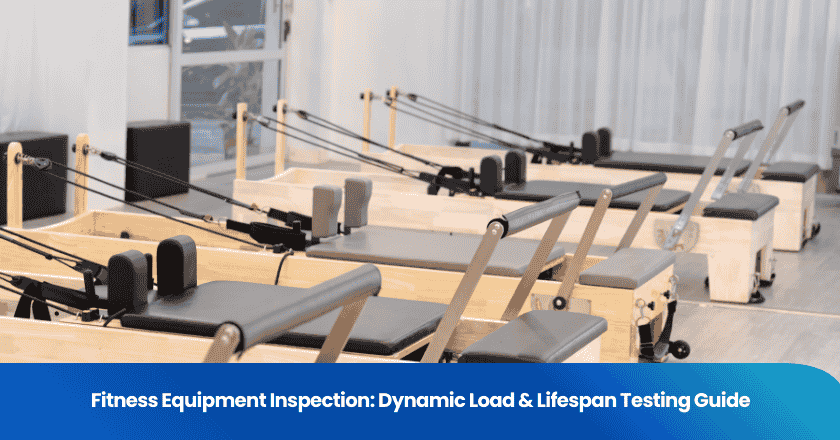
Fitness equipment inspection protects users from injury and significantly extends the lifespan of high-usage machines like treadmills and spin bikes. Gym owners and athletes depend on reliable machines for daily workouts. Regular assessments identify stress points before critical failure occurs. Dynamic load and lifespan testing play a key role in this quality control process, ensuring that equipment can withstand the rigors of a commercial environment.
| Testing Method | Purpose |
|---|---|
| Stress testing | Tests structural integrity under maximum loads. |
| Dynamic load testing | Simulates real-world use to identify failure points. |
| Repetitive motion testing | Assesses long-term durability through cycle testing. |
Proper inspection reduces repair costs and downtime, allowing facilities to maintain a safe and consistent workout environment.
Key Takeaways
- Regular fitness equipment inspections prevent injuries and extend the lifespan of treadmills and spin bikes.
- Dynamic load and lifespan testing identify potential failure points, ensuring equipment safety and reliability.
- Routine maintenance, including cleaning and lubrication, minimizes wear and tear, reducing repair costs.
- Staff training and clear user guidelines enhance safety and help prevent equipment misuse.
- Accurate documentation of maintenance and inspections supports compliance and protects against liability.
Why Fitness Equipment Inspection Matters
Safety and Compliance Risks
Fitness equipment inspection plays a vital role in protecting users and maintaining a safe workout environment. Neglecting regular checks can lead to serious safety hazards. Malfunctioning treadmills may cause falls, while faulty weight machines with loose cables can result in injuries. Unstable exercise bikes often lead to balance loss. Improperly tightened treadmill belts, missing safety keys, and damaged pedal straps increase the risk of accidents.
Commercial gyms must follow strict safety standards. The Americans with Disabilities Act (ADA) requires accessible equipment for individuals with disabilities. International safety standards demand that fitness equipment meets product and electrical safety requirements. Medical-use exercise machines must comply with FDA regulations. Electrical standards ensure that treadmills and other powered devices operate safely.
Industry standards such as ASTM F2115 (for treadmills) and ISO 20957 (general fitness equipment) set design and testing requirements. The Consumer Product Safety Commission recommends storing treadmills safely and avoiding recalled models, especially in homes with children.
Note: Regular inspection reduces the risk of injury and helps facilities comply with legal requirements. It also builds trust among gym members.
Real-World Failure Examples
Real-world incidents highlight the importance of fitness equipment inspection. Tragic accidents involving spin bikes and treadmills have led to severe injuries and even fatalities in both home and commercial settings. The CPSC has reported hundreds of incidents involving people and pets being pulled under treadmills, leading to significant civil penalties for manufacturers. Malfunctioning weight machines have also resulted in multi-million dollar verdicts due to spinal injuries. These cases demonstrate that broken cables, frayed cords, and poor maintenance are not just inconveniences—they are liabilities.
Fitness Equipment Safety Standards
Regulatory Compliance Overview
To ensure user safety, fitness equipment must adhere to rigorous international standards. Unlike toys, fitness machines are subjected to heavy loads and repetitive stress. Key regulations include:
| Region/Standard | Scope |
|---|---|
| ISO 20957 (Global) | General safety requirements for stationary training equipment. |
| ASTM F1250 (USA) | Safety specification for stationary exercise bicycles. |
| ASTM F2115 (USA) | Standard specification for motorized treadmills. |
| EN 957 (Europe) | European standard for stationary training equipment. |
Manufacturers must follow these requirements to ensure structural integrity, stability, and electrical safety. Compliance certification helps gyms verify that their equipment is safe for public use.
Dynamic Load and Lifespan Testing Methods
Mechanical Strength and Fatigue Testing
Fitness equipment faces repeated stress every day. Mechanical strength and fatigue testing help ensure treadmills and spin bikes can handle these demands. Inspectors use industry standards to measure how well machines resist wear and tear.
| Test Name | Description | Thresholds for Passing |
|---|---|---|
| Tire Bounce Test | Simulates daily impact on treadmills by dropping a heavy load (e.g., 300 lbs). | Must survive millions of impacts without structural breakdown. |
| Incline Fatigue Load Test | Tests the treadmill's incline/decline mechanism under weight. | Lift motor must function for over 100,000 cycles. |
| Robot Treadmill Test | Simulates running with a robotic tester for extended periods. | Component life must often exceed 15,000 miles. |
Electrical Safety Checks for Treadmills
Treadmills use electrical systems that require careful inspection to prevent shocks and fires. Inspectors follow specific protocols:
- Inspect power cords for insulation integrity and secure connections.
- Check for hot cords or unusual odors during operation.
- Inspect internal wiring for wear or loose connections quarterly.
- Ensure emergency stop (E-Stop) mechanisms function instantly.
Tip: Schedule electrical safety checks every three months to catch problems early and avoid costly repairs.
Routine Fitness Equipment Maintenance
Preventive Inspection Checklist
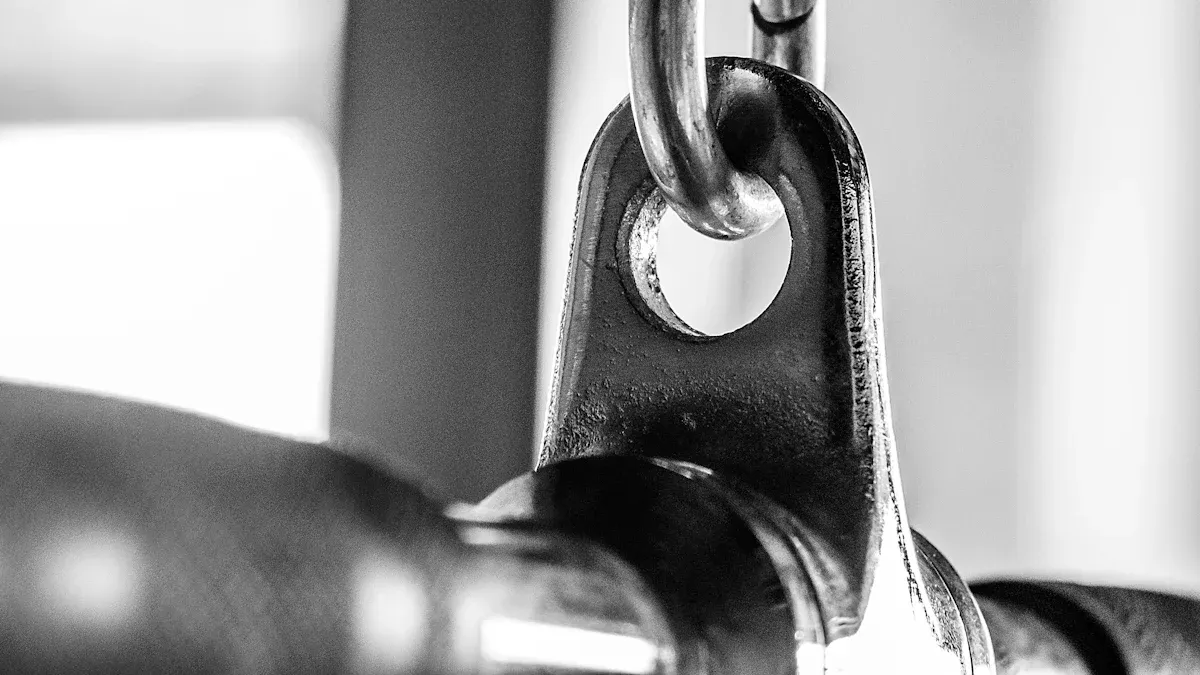
Preventative maintenance forms the foundation of fitness equipment safety. Staff use an inspection checklist to identify issues before they become hazards.
| Treadmills Items to Inspect | Spin Bikes Items to Inspect |
|---|---|
| Display and housing for cracks | Frame covers for cracks/wear |
| Running belts and decks for wear | Belt/Chain tension adjustment |
| Belt tracking alignment | Pedal and crank assembly |
| Lubricate deck as needed | Seat assembly and adjustment |
| E-Stop operation | Resistance brake pads |
Monthly and Annual Maintenance Schedules
Preventative maintenance schedules help extend the lifespan of fitness equipment. Daily tasks often include cleaning sweat and oils, while monthly tasks focus on mechanical adjustments.
| Task Type | Monthly Tasks | Annual Tasks |
|---|---|---|
| Preventive Maintenance | Lubricate moving parts, sanitize, check loose fittings. | Deep professional cleaning, replace worn belts/decks. |
| Safety Audit | Test emergency stops and stability. | Full structural integrity review. |
| Benefit | Description |
|---|---|
| Extended Lifespan | Routine care minimizes wear, preventing premature breakdowns. |
| Reduced Downtime | Scheduled maintenance identifies failures before they disrupt gym operations. |
| Lower Repair Costs | Addressing minor issues early prevents expensive component failures. |
Role of Professional and Independent Inspections
Routine inspections by trained staff combined with third-party independent inspections provide the highest level of safety. Professional inspectors bring expertise and objectivity, identifying hidden issues like metal fatigue or internal electrical faults that daily staff might miss.
Best Practices for Fitness Equipment Longevity
Staff Training and User Guidelines
Proper staff training is crucial. Employees must know how to operate machines and identify early signs of malfunction. Clear user guidelines and signage help members use equipment correctly, reducing misuse and accidents.
To extend the lifespan of treadmills, establish a routine maintenance schedule. Regular cleaning removes sweat and bacteria, while lubrication reduces friction. Maintaining a humidity-controlled environment is also vital to protect electronic components.
Documentation and Record-Keeping
Accurate documentation supports effective maintenance and protects facility owners from liability. A well-organized system tracks all repairs, preventive maintenance, and parts replacements. This data is essential for warranty claims and proving due diligence in case of accidents.
Regular inspection and testing of fitness equipment are non-negotiable for safety and ROI. Structured maintenance routines prevent failures and reduce long-term costs. Facilities should follow best practices and consult experts for specialized dynamic load testing to maintain the highest standards of reliability.
FAQ
How often should gyms inspect treadmills and spin bikes?
Gyms should perform visual inspections daily. Detailed mechanical checks (lubrication, calibration) should happen monthly, with a comprehensive professional inspection annually.
What signs indicate equipment needs maintenance?
Common signs include unusual noises (grinding, squeaking), vibrations, slipping belts, loose pedals, and error messages on consoles. Address these immediately.
Who can perform professional fitness equipment inspections?
Certified equipment technicians or independent quality inspection agencies can perform professional audits using specialized tools to ensure compliance with safety standards.
Why is record-keeping important for equipment maintenance?
Records track the history of repairs and maintenance, which is crucial for valid warranty claims, legal protection against liability, and planning future budget for equipment replacement.

Related Articles
Grow your business with TradeAider Service
Click the button below to directly enter the TradeAider Service System. The simple steps from booking and payment to receiving reports are easy to operate.
