
- About Us

- Our Services
- Your Industry
- Resources
- News & Blog
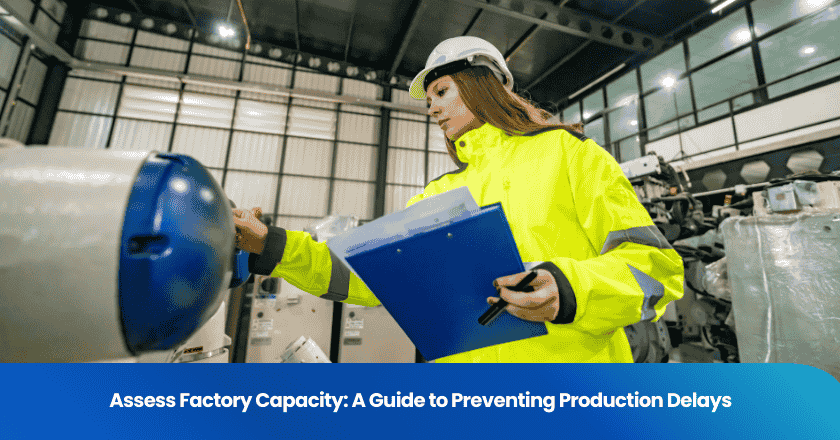
Manufacturers rely on accurate capacity assessments to prevent costly production delays. While supplier claims provide a baseline, reliable results require structured quality control methods, such as factory audits and real-time monitoring. By taking a proactive, stepwise approach to capacity analysis, buyers can verify that every order will be fulfilled on time. These methods help identify bottlenecks early, significantly reducing the risk of shipment delays.
Key Takeaways
- Assessing a factory's capacity is crucial for meeting delivery deadlines and avoiding costly production delays.
- Conducting thorough factory audits provides an unbiased view of production capabilities, helping buyers make informed decisions.
- Implementing a stepwise manufacturing capacity analysis allows for early detection of issues, improving overall efficiency and reducing risks.
- Utilizing real-time monitoring tools enhances visibility into production processes, enabling quick responses to potential delays.
- Focusing on preventive maintenance and flexible production systems supports consistent output and adaptability to changing demands.
Why Assessing a Factory's Capacity Matters
Impact on Delivery and Fulfillment
Manufacturers rely on accurate capacity analysis to meet delivery deadlines. Effective scheduling improves on-time delivery rates by allocating resources efficiently and reducing bottlenecks. This ensures products move smoothly through the production line, helping companies meet customer expectations.
Production capacity is a key driver of order fulfillment. Factors such as cycle time, machine utilization, and inventory management directly influence lead times. Accurate forecasting allows factories to respond to demand changes, preventing both overproduction and underproduction. Furthermore, regulatory requirements often demand adaptable capacity plans to comply with industry standards.
Risks of Inaccurate Capacity Analysis
Neglecting capacity analysis leads to serious risks, including missed deadlines and damaged reputations. The impact is measurable:
- Product changeovers can cause significant downtime (up to 30%) if not optimized. Retraining workers on faster techniques can increase output without extra costs.
- Ongoing analysis reveals patterns in delivery reliability, guiding better decision-making.
- Identifying bottlenecks helps set productivity benchmarks and improves resource allocation.
Without this analysis, factories struggle to keep up with demand surges, leading to delays and higher costs.
Factory Audit for Capacity Assessment
A factory audit is the most reliable method for assessing production capability. Third-party auditors use structured checklists to evaluate every aspect of manufacturing, verifying that the factory can deliver on time and in full.
Verifying Production Capacity and Equipment
Auditors examine machinery, production lines, and workforce skills to verify actual output potential, moving beyond supplier claims. Different audits focus on specific areas:
| Audit Type | Focus | Purpose |
|---|---|---|
| Quality Audits | Product standards | Identify deviations and improve product quality. |
| Compliance Audits | Laws and regulations | Prevent legal issues and reputational damage. |
| Product Audits | Finished goods | Confirm goods meet design and quality standards. |
| Process Audits | Workflows & machines | Identify inefficiencies and boost productivity. |
| GMP Audits | Hygiene & safety | Ensure consistent safety and compliance. |
Third-party audits provide unbiased reports, contrasting sharply with internal assessments that may overlook issues.
| Aspect | Third-Party Audits | Internal Assessments |
|---|---|---|
| Objectivity | Unbiased inspection reports | Potential internal bias |
| Expertise | Specialized knowledge | Limited by internal staff expertise |
| Compliance | Up-to-date with regulations | May lack current regulatory knowledge |
| Accuracy | Identifies overestimated capacities | May overlook issues due to familiarity |
Assessing Management Systems
Auditors review certifications like ISO 9001 to confirm that management systems can control quality and safety. Strong management systems reduce defect rates and rework, helping factories maintain steady production capacity.
Warehousing and Environment
Warehouse organization directly affects production deadlines. Poor inventory control is a major hurdle, with many professionals citing it as a top cause for delayed orders. Auditors check for adequate space and environmental controls (temperature, humidity) to ensure material flow is smooth and goods are protected.
Stepwise Manufacturing Capacity Analysis
A stepwise approach breaks down the assessment into three critical stages: Pre-Production, During Production, and End-of-Production. This ensures comprehensive control.
Pre-Production Inspection (PPI)
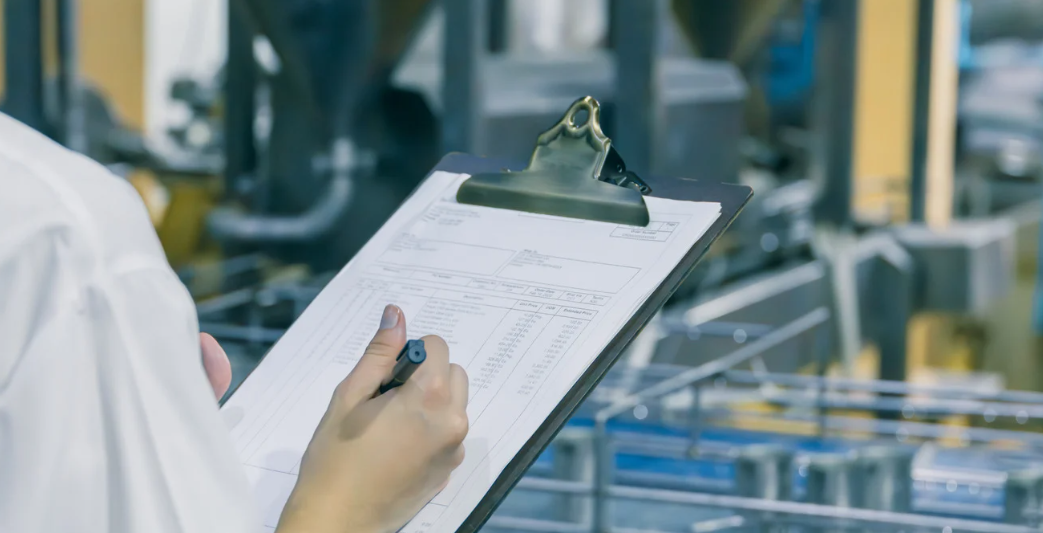
PPI occurs before mass production begins. Inspectors verify raw materials, components, and preparatory tasks. This confirms the factory is ready and that resources meet quality standards. Early detection of material shortages prevents bottlenecks later.
Tip: Early inspections help manufacturers maintain consistent production capacity and reduce the risk of shipment delays.
During Production Inspection (DPI)
DPI happens when 20-50% of goods are completed. It allows for real-time monitoring of quality and efficiency. By identifying bottlenecks and defects early, manufacturers can optimize processes and reduce costs.
| Function | Benefit to Capacity Monitoring |
|---|---|
| Quality Monitoring | Identifies issues early, preventing defect accumulation. |
| Bottleneck Detection | Enables process optimization and increased efficiency. |
End-of-Production Verification (PSI/TQC)
The final stage confirms that production targets and quality standards have been met. Inspectors verify order quantity, defects, and packaging. This reduces the risk of customer complaints and ensures only approved products are shipped.
Step-by-Step Procedures for Analysis
- Define the production area to be analyzed.
- Determine the maximum output rate for each machine.
- Deduct nonproductive hours to find maximum effective capacity.
- Identify the bottleneck machine with the lowest capacity.
Comparing original assumptions with actual utilization highlights areas for improvement.
Common Challenges
Manufacturers often face data collection issues, siloed information, and communication gaps. Overcoming these requires reliable data sources and integrated planning tools.
Tools and Metrics for Production Capacity
Machine Hour and Labor Analysis
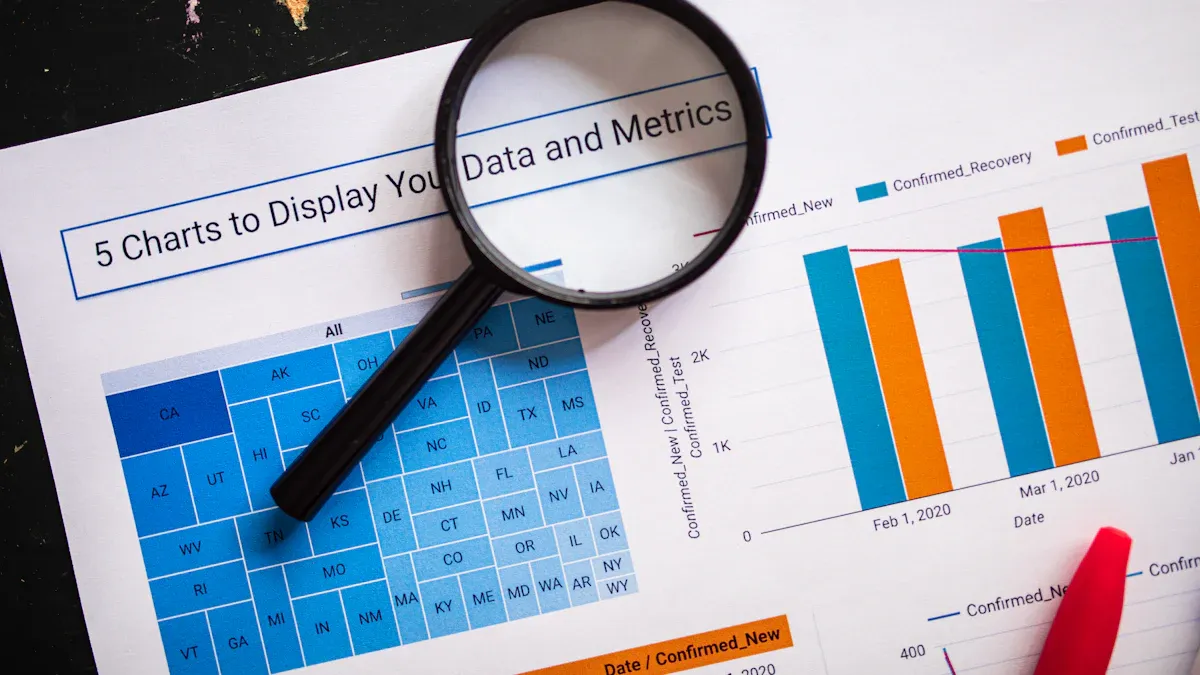
Tracking machine hours and labor utilization maximizes uptime. Identifying lost time from late starts or early stops reveals opportunity costs. Visual management tools and machine monitoring solutions provide real-time data, empowering operators to improve utilization significantly.
Identifying Bottlenecks
Bottlenecks reduce maximum output. Quantitative data helps locate these points of congestion.
| Methodology | Description |
|---|---|
| Data-driven detection | Uses enterprise data to generate event logs for diagnosing bottlenecks. |
| Process mining | Extracts process maps from complex systems to identify flow issues. |
| Statistical tools | Uses cycle times and frequency for analysis. |
Using Capacity Planning Tools
Capacity planning software helps optimize labor and materials. By calculating maximum production output using standard formulas, factories can set realistic targets and guide decision-making.
Optimizing Manufacturing Capacity
Process Improvements
Optimization starts with training workers to close skills gaps and using Six Sigma methods to remove waste. Automating inventory management improves precision. Real-time monitoring reduces downtime. Lean manufacturing techniques can significantly drop operating costs and productivity lead times.
Preventive Maintenance
Preventive maintenance scheduled during planned downtime prevents unexpected failures. This approach can cut downtime by up to 40%, ensuring consistent output and safer workplaces.
| Benefit | Description |
|---|---|
| Unplanned Downtime Reduction | Maintains continuous production flow. |
| Quality Assurance | Keeps machines accurate for high-quality products. |
| Equipment Lifespan | Extends the usable life of expensive machinery. |
Building Flexibility
Factories need flexibility to handle demand shifts. Strategies include:
| Strategy | Techniques |
|---|---|
| Flexible Production Systems | Modular setups, lean manufacturing |
| Inventory Management | Just-in-time, safety stock |
| Agile Supply Chain | Diverse sourcing, supplier relationships |
| Scalable Workforce | Cross-training, flexible staffing |
Manufacturers achieve reliable order fulfillment by following a stepwise approach to factory capacity assessment. Audits and real-time monitoring allow teams to verify equipment and processes accurately. Companies that invest in these assessments see long-term cost savings through improved forecasting, optimal resource allocation, and higher customer satisfaction. Proactive capacity verification is the key to avoiding costly delays and building trust.
FAQ
What is the main benefit of a factory audit?
A factory audit gives buyers a clear, verified view of production capacity. Auditors check equipment, management systems, and warehousing to prevent overbooking and ensure on-time delivery.
How does real-time monitoring help prevent delays?
Real-time monitoring tracks production progress and quality instantly. Inspectors or automated systems report issues as they happen, allowing buyers to fix problems before they cause schedule slippage.
Which metrics show true production capacity?
Key metrics include machine hours, labor utilization, output rates, and downtime tracking. These data points help managers find bottlenecks and determine the actual effective capacity of the plant.
When should a company perform a Pre-Production Inspection (PPI)?
PPI should be performed before mass production starts. It verifies that raw materials are correct and the factory is fully prepared, preventing defects or shortages that could stop the line later.
Related Articles


Grow your business with TradeAider Service
Click the button below to directly enter the TradeAider Service System. The simple steps from booking and payment to receiving reports are easy to operate.
